

Chronic Depression
Chronic Depression & Dysthymia Therapy Melbourne
Struggling with long-term sadness, chronic fatigue, or finding it difficult to manage daily life due to persistent depressive symptoms?
Our experienced therapists offer chronic depression treatment and counselling in Melbourne and online, helping you address complex developmental experiences and deep-seated emotional patterns.
Therapists for chronic depression

Adam Szmerling
Psychoanalytic Psychotherapist
- 20+ years of experience
- $200 per 50-min session
 Medicare rebate with a GP Mental Health Treatment Plan
- Available in-person & online



Carolina Rosa
Counsellor & Hypnotherapist
- 10+ years of experience
- $170 per 50-min session
- Available in-person & online
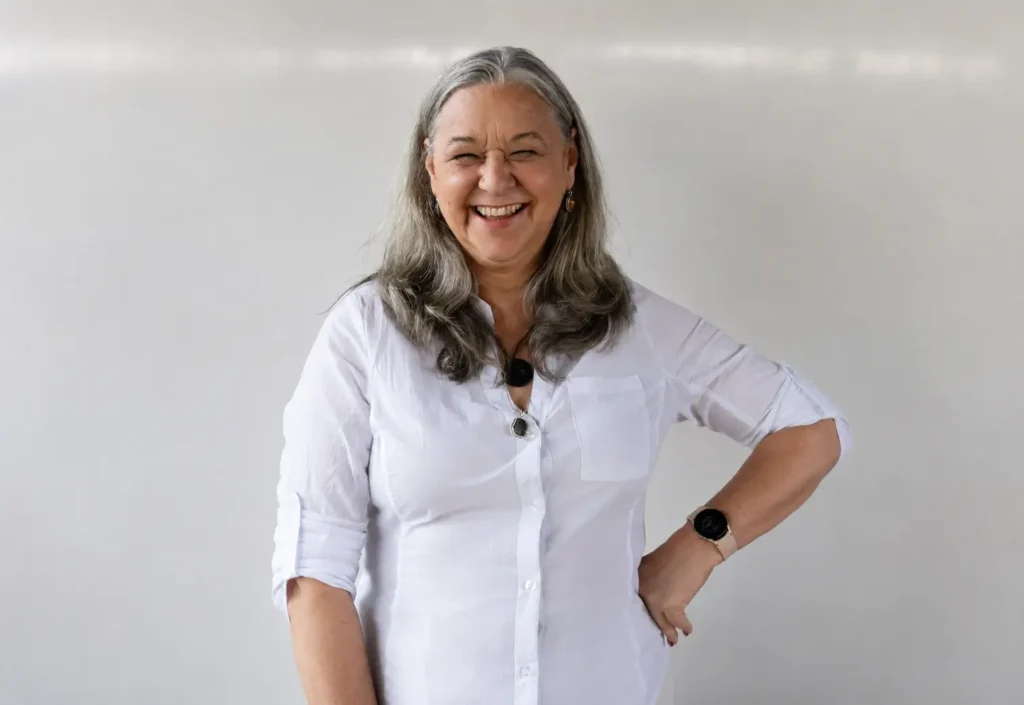
Bernadette Cameron
Hypnotherapist, Counsellor, NLP Master Practitioner
- 5+ years of experience
- $170 to $200 per 50-min session
- Available in-person & online

Sara Herring
Clinical Hypnotherapist & Counsellor
- 20+ years of experience
- $170 per 50-min session
- Available online
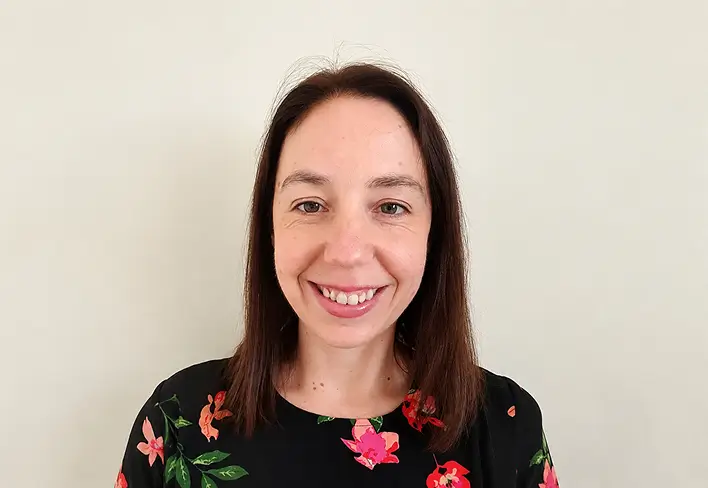
Natalie Szmerling
Clinical Psychologist
- 15+ years of experience
- $250 per 50-min session
- Medicare rebate with a GP Mental Health Treatment Plan
- Available in-person & online

Humaira Ansari
Hypnotherapist, NLP Practitioner, Psychotherapist and Counsellor
- 16 years of experience
- $170 to $200 per 50-min session
- Available online

Lawrence Akers
Hypnotherapist & Counsellor
- 10 years of experience
- $170 per 50-min session
- Available in-person & online

Kelli Tranter
Hypnotherapist & Counsellor
- 10+ years of experience
- $170 per 50-min session
- Available online

Reviewed for accuracy by Adam Szmerling on Accredited Mental Health Social Worker (AASW) and PACFA Registered Clinical Psychotherapist

Seeking Effective Treatment To Relieve Chronic Depression
Seeking treatment for chronic depression is a big step to take. Our therapists can support you to understand and manage chronic depression, alongside care from your GP.
Do you have any questions for us? Get in touch with us through our online contact form.
Call Bayside Psychotherapy on (03) 9557 9113 to find out if we’re able to help you. Your call is completely confidential, and there’s absolutely no obligation.
You can easily book an appointment by using our online booking form.
What Are The Symptoms Of Depression?
While depression can be a short-lived experience, others describe a long history of protracted (many years) low mood to the point that their experience of depression can begin to feel like part of their identity. Individuals with chronic depression often report the following symptoms:
- Depressed mood
- Low self-esteem
- Decreased energy
- Changes in appetite and sleep
- Feelings of hopelessness
- Difficulty concentrating and thinking clearly
The underlying cause of chronic depression is complex and unique to each individual but is more frequently noted where individuals have grown up in trying and adverse circumstances. This may include (but is not limited to) individuals who experienced neglect or abuse, growing up in a chaotic and/or conflictual family environment, parental substance use and/or mental health difficulties, parental loss or divorce, and feeling unseen and misunderstood.


Do I Suffer From Chronic Depression?
Identifying a symptom such as depression as chronic, in itself, can produce potential limiting consequences. Appropriate assessment is necessary. There are too many online tests and self-diagnostics going around the web that may not always benefit someone seeking help. Society demands we “be ourselves”, and feeling chronically depressed may be perceived by some individuals as a failure to live up to this imaginary ideal (“be yourself”). Working through such self-criticisms and identity descriptions can be a necessary element of psychotherapy for chronic depression.
It’s not uncommon for someone to experience symptoms of sadness. However, when the feeling refuses to subside, chronic depression is often the culprit. The characteristics of chronic depression involve periods of sadness lasting for more than two weeks and, for some individuals, as long as two years. In addition, individuals suffering from chronic depression experience more frequent and severe symptoms than those with situational depression.
Is Chronic Depression Dangerous?
Untreated chronic depression may become a severe problem. If left untreated, Chronic Depression may increase the chances of risky behaviour such as excessive drug or alcohol consumption. It may also ruin friendships and relationships, cause issues at work, and make it hard to overcome serious illnesses.
People who are depressed cannot simply “cheer up”. Without adequate treatment, untreated depression may last for weeks, months, or years. Appropriate treatment, however, is beneficial to most people with depression.
Common Symptoms Of Chronic Depression
The classic symptoms of chronic depression include the following:
- Lack of energy or chronic fatigue
- Daily feelings of hopelessness, sadness or guilt
- Dramatic weight loss or gain
- Loss of interest in relationships, hobbies or passions
- Frequent thoughts of suicide or death
- Headaches/migraines
- Low back and body aches
- Digestive issues, such as constipation, diarrhoea or nausea
If you’re having thoughts of suicide, please call Lifeline on 13 11 14 or the Suicide Call Back Service on 1300 659 467 (both 24/7), or 000 if you’re in immediate danger.
Need chronic depression therapy?

Are You Seeking Treatment For Depression?
Longer term psychotherapy aims to address the underlying inner conflicts associated with chronic depression and explore treatment options. Read on and book an initial treatment in clinic or try an online session to find out if psychotherapy is appropriate to your circumstances.
Depression has been referred to as the “common” cold of mental health issues owing to its increasing frequency. Despite the prevalence, depression is an experience that must always be taken seriously and without treatment can have an enormous impact on one’s sense of themselves, the world, relationships and the ability to function. Diagnosis of depression can be tricky as everyone experiences it differently, but there are many overlapping depression symptoms that make it possible to find the right diagnosis and treatment suitable for you.
Preventing Depression
Types Of Depression
Depression presents in various forms of mood disorders that affect everyone in different ways. Major Depression can be characterised as a persistent sadness and disinterest. Persistent Depressive Disorder, or dysthymia, is a milder but long-lasting form. Bipolar Disorder features manic episodes of extreme mood swings, from an extreme high to a deep low. Seasonal Affective Disorder tends to affect people at a certain time of the year, mostly winter. Postpartum Depression occurs after childbirth and is deeply troubling for the mother and has serious consequences on a newborn.
Each type of depression has unique symptoms and requires tailored treatment approaches, some require different types of psychotherapy such as cognitive behavioural therapy (cbt) while others require drug treatment to ease depression symptoms.
Chronic Depression Treatment With Bayside Psychotherapy?
It’s possible to work through chronic depression so that you may experience relief from symptoms, have an enhanced self-understanding, improved functioning and better quality of life. When mood difficulties have been present for many years, it may take a long-term commitment to psychotherapy for symptoms to be worked through in an effective and sustainable way.
Research findings have indicated that psychoanalytic/psychodynamic psychotherapy is an excellent approach to resolving chronic mood difficulties as the origin of symptoms is commonly tied up in developmental experiences that have led to internal conflicts that have not had a chance to be resolved. Additionally, there is evidence for schema therapy in working with chronic depression. Schema therapy explores the presence of maladaptive beliefs held about the self that evolved in childhood and adolescence that keep individuals stuck in their cycle of depression.
At Bayside Psychotherapy, we privilege the speech of the patient and invite him or her to speak freely elaborating the experience of depression such that something new may become possible through the act of speaking. The first step is to schedule an initial session. Bookings can be made online or by phone.
We look forward to helping you.
Note: This information is informative only and is not to be used for diagnosis or substitution of appropriate assessment and/or treatment by your GP or another qualified health professional. We take care to keep our information accurate and up to date, but it may contain errors or omissions. To the extent the law allows, we’re not responsible for loss caused by relying on it, as explained in our Website Disclaimer.