

Compulsive lying
Compulsive Lying Therapy in Melbourne & Online

Last updated . Written and reviewed for accuracy by Adam Szmerling. Accredited Mental Health Social Worker (AASW) and PACFA Registered Clinical Psychotherapist
The lie is out before you’ve decided to tell it, and then you have to keep it going.
Compulsive lying means lying often and out of habit, even when the truth would cost you nothing. Six therapists here work with it, in Highett or by video from anywhere in Australia.
You pay when you book online, securely through PayPal. Reception can move your time with at least 3 business days’ notice: (03) 9557 9113, weekdays 8:30am to 5:30pm.
- $170 a 50-minute session with no Medicare rebate, or $200 with Adam Szmerling.
- $89.50 back from Medicare for sessions with Adam, with a GP Mental Health Treatment Plan (up to 10 sessions a calendar year).
- Sessions weekdays until 8pm, and Saturdays 8am to 6pm.
On this page: Therapists · Check your lying · Causes · Treatment options · Fees · For partners · FAQs
Therapists for compulsive lying

Adam Szmerling
Psychoanalytic Psychotherapist
- 20+ years of experience
- $200 per 50-min session
- $89.50 back from Medicare (you pay $110.50) for up to 10 sessions a year, with a GP Mental Health Treatment Plan
- Available in-person & online


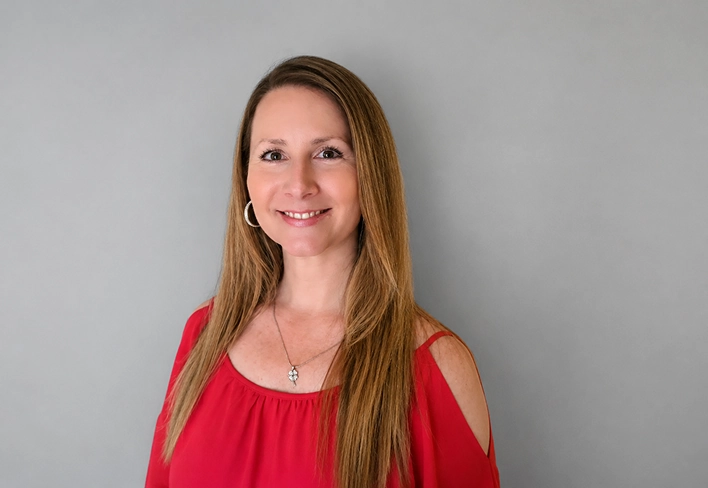
Carolina Rosa
Counsellor & Hypnotherapist
- 10+ years of experience
- $170 per 50-min session
- Available in-person & online

Bernadette Cameron
Hypnotherapist, Counsellor, NLP Master Practitioner
- 5+ years of experience
- $170 to $200 per 50-min session
- Available in-person & online
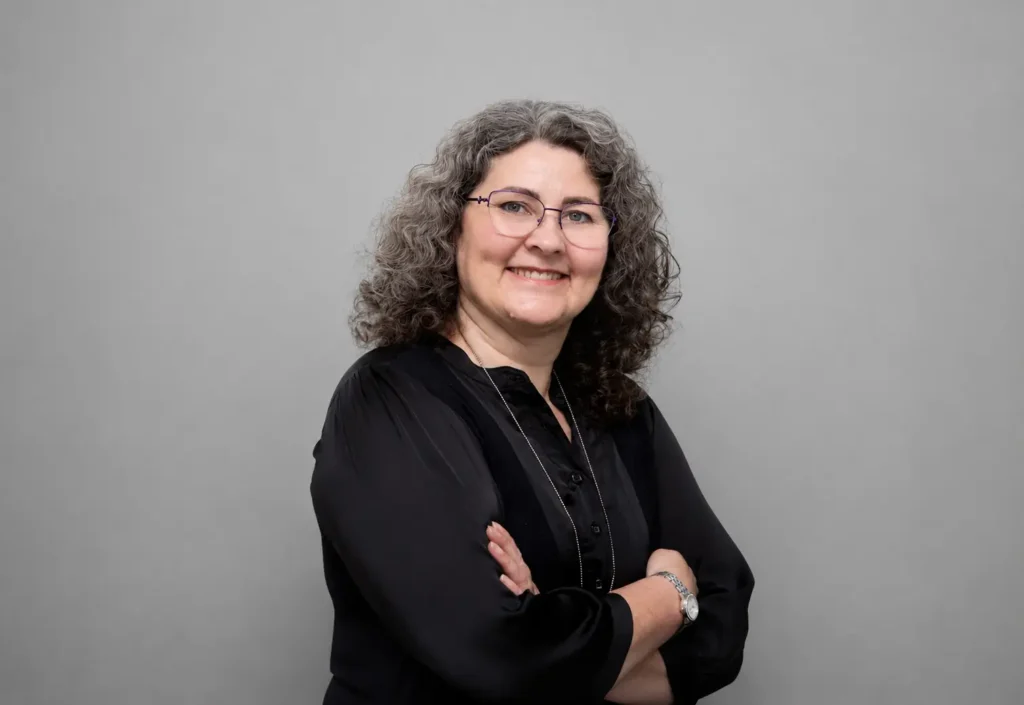
Sara Herring
Clinical Hypnotherapist & Counsellor
- 20+ years of experience
- $170 per 50-min session
- Available online
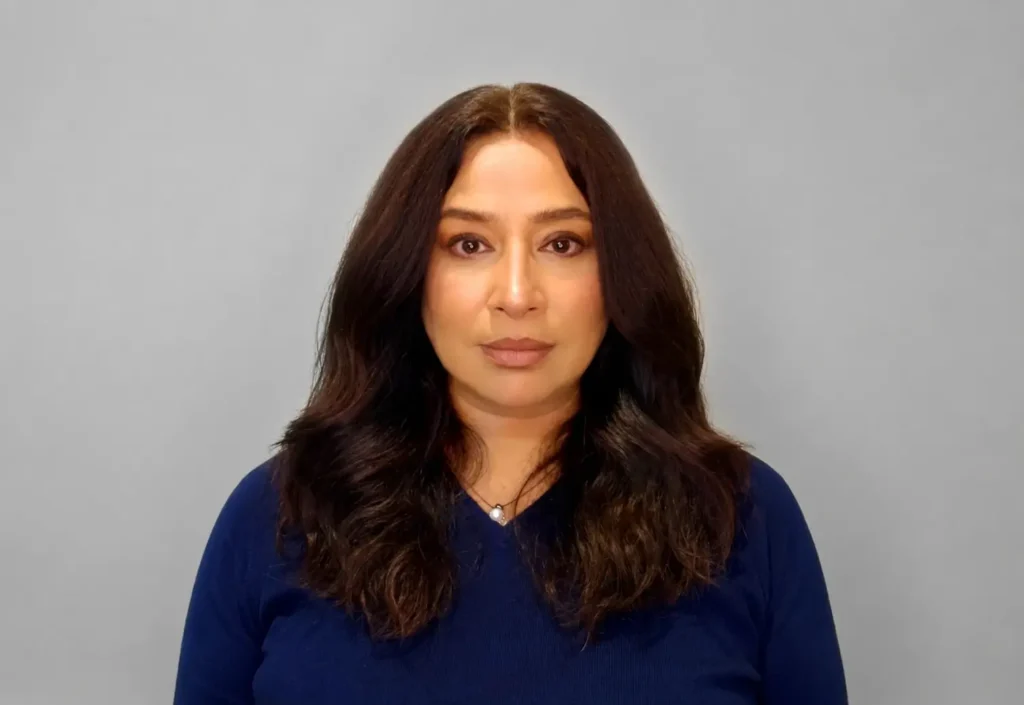
Humaira Ansari
Hypnotherapist, NLP Practitioner, Psychotherapist and Counsellor
- 16 years of experience
- $170 to $200 per 50-min session
- Available online
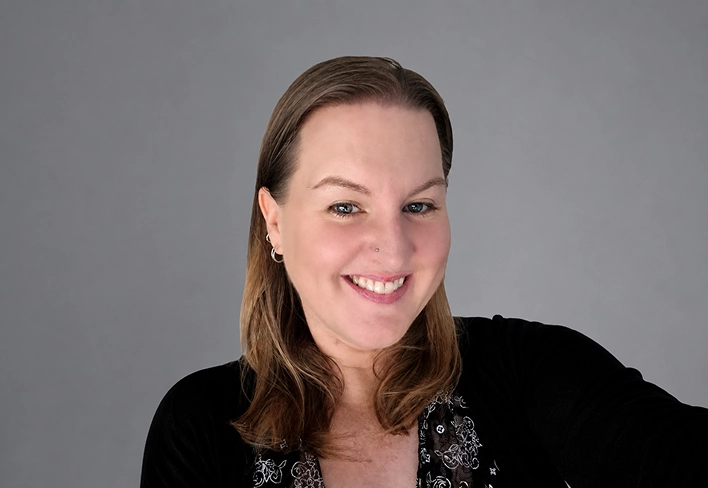
Kelli Tranter
Hypnotherapist & Counsellor
- 10+ years of experience
- $170 per 50-min session
- Available online
What is compulsive lying?
Compulsive lying is frequent lying that feels automatic and hard to stop, often about small things and often for no reason you can name.
Most people tell few lies. In a set of US surveys published in 2010, about 5% of people told almost half of all the lies reported. In a 2020 US study of 623 adults, 13% said they, or people around them, saw them as pathological liars. Some were recruited through online mental health forums, so the rate in the wider community may be lower.
Pathological lying was first described by the psychiatrist Anton Delbrück in 1891, under the name pseudologia phantastica. It still hasn’t been recognised as a disorder in the major diagnostic manuals.
Compulsive lying vs pathological lying
People use compulsive, pathological and habitual lying for much the same thing, and researchers treat the terms as overlapping. When researchers proposed criteria for pathological lying in 2020, they described frequent lying, lasting more than six months, that causes distress, problems in daily life and risk to yourself or others. Compulsive and habitual lying are the everyday terms, and they tend to describe how the lying feels: automatic, and out before you’ve had time to think.
Signs of compulsive lying
You may benefit from talking to someone if you:
- Lie automatically, even when the truth would be easier.
- Exaggerate achievements, experiences or problems.
- Feel anxious, guilty or ashamed after lying.
- Hide information to avoid conflict or criticism.
- Keep lying despite the trouble it causes.
- Have lost relationships because of dishonesty.
- Lose track of what you’ve told to whom.
Patterns our therapists see often
- Lying to avoid an argument or an uncomfortable feeling.
- Making up stories to seem more likeable or to get sympathy.
- Believing your own stories, until the line between the lie and what happened blurs.
- Playing the hero or the victim.
- Lying to hide something else, such as cheating, an addiction or a fear.
- Telling detailed stories that don’t quite add up.
Often these are ways of coping, even after they’ve stopped working.
What the lying costs
In a 2020 study, people who saw themselves as pathological liars reported more distress than others, and more problems with relationships, work, money and the law. Relationships took the biggest hit.
In our experience, many people who lie a lot are also people-pleasers. They bury resentment and don’t ask for what they want, so the people around them never find out anything is wrong. Then there’s the effort of keeping track: remembering what you said to whom, and covering one lie with the next.
Things people often say
“I’ve been good. I’ve been controlling my thoughts so I don’t lie, but I’m exhausted and on edge I’ll slip up.”
“I lie about little things for no clear reason.”
“I’m scared of conflict.”
“I want to be liked and keep getting in trouble.”
Composite examples drawn from many people, with details changed. They aren’t quotes from individual patients.
Am I a compulsive liar? A 19-statement check
This check uses the Pathological Lying Inventory, a questionnaire published by US researchers in 2024. Rate how much you agree with each statement, from 1 (strongly disagree) to 7 (strongly agree). It takes about three minutes. Your answers stay in your browser: nothing is stored or sent. The result isn’t a diagnosis, and the researchers haven’t set an official cut-off yet.
On average you disagreed with the statements. In one of the researchers’ samples the average was about 2. If lying still causes you trouble, it’s worth talking through with a therapist.
Book a consultation What causes itOn average you agreed with statements that describe pathological lying. The researchers suggest that an average of 4.13 or more, the top 5% of their samples, may be worth a closer look. It’s worth talking through with a therapist.
Book a consultationIf you’re struggling right now, call Lifeline on 13 11 14, any time, or 000 in an emergency.
Pathological Lying Inventory: Hart, C. L., Curtis, D. A. and Terrizzi, J. A. (2024), Current Psychology, 43, 21218 to 21228. Used under CC BY 4.0. The 19 statements are unchanged. The instructions, scoring bands and result text are ours.
What causes compulsive lying?
Nobody knows for certain. Research so far points to low self-esteem, a strong need for attention and a habit of overestimating what a lie will gain. In a 2020 study, most people who saw themselves as pathological liars said it started in adolescence.
The reasons people bring to sessions here include:
- Harsh punishment or criticism as a child.
- Fear of rejection or of being left.
- Low self-esteem and feeling not good enough.
- Trauma or a difficult childhood.
- Anxiety, including social anxiety.
- Finding it hard to ask for what you need.
- People-pleasing.
- Shame, and wanting to keep others from seeing you up close.
Over time a lie can become a reflex more than a choice.
What we think: In our experience, the lie is often doing a job. It heads off a row, protects an image or buys a moment of approval. That’s part of what keeps it going, and part of why holding it in by willpower tends to wear people out. Therapy here looks at what the lie protects as well as how to stop it. The label matters less to us than what the lying is telling you.
Which compulsive lying treatment suits you?
There are no systematic studies of therapy for pathological lying yet, so no approach can claim to be proven for it. Therapists here offer several routes, and what fits depends on what you want from therapy.
| Approach | What it involves | Who offers it |
|---|---|---|
| Counselling | Talking through when the lies happen, what sets them off and what you could say instead. | Carolina Rosa (AACHP), Bernadette Cameron (AACHP), Sara Herring (AACHP Vice President), Humaira Ansari (AHA), Kelli Tranter (AACHP) |
| CBT-based counselling | Catching the thought in the moment before a lie and practising a different response, often with tasks between sessions. | Carolina Rosa, case by case |
| Hypnotherapy | Sessions of guided, focused attention, used alongside counselling and booked as their own service. | Carolina, Bernadette, Sara, Humaira, Kelli |
| Psychoanalytic psychotherapy | Exploring what the lie protects, where it began and how it shows up with the people closest to you, your therapist included. Open-ended, and it can run for months or years. | Adam Szmerling (Accredited Mental Health Social Worker, AASW; PACFA Registered Clinical Psychotherapist) |
| Couples counselling | Working on trust with your partner, usually with a different therapist from your individual one. | Adam Szmerling, Bernadette Cameron, Humaira Ansari |
Our therapists refer to each other when a different approach looks like a better fit, so starting with one route doesn’t lock you in.
Change depends mostly on you. Some people come because a partner has asked them to. What matters is whether part of you wants it too. If you’re open to looking at both the part of you that wants to stop and the part that keeps lying, therapy here has something to work with.
Hypnotherapy for compulsive lying
Five of our therapists offer hypnotherapy for compulsive lying: Carolina Rosa, Bernadette Cameron, Sara Herring, Humaira Ansari and Kelli Tranter. It’s booked as its own service, and within a session your hypnotherapist may also draw on counselling or other approaches they’re trained in.
As with other therapies, there’s no systematic research on hypnotherapy for pathological lying. Some people choose it alongside counselling, and if it isn’t enough, your hypnotherapist can suggest another route here.
Medicare doesn’t cover hypnotherapy, though some private health funds do (see fees).
Between sessions, some people use our stop lying self-hypnosis recording.
When to get other help first
This page isn’t the right place to start if:
- Your lying has led, or could lead, to legal trouble, such as fraud, police or court matters. We refer people in this situation elsewhere. A lawyer and your GP are good first steps.
- Lying is part of controlling or hurting a partner or family member. We don’t book sessions where there is family violence or coercive control. If it’s happening to you, call 1800RESPECT on 1800 737 732, 24/7. If you’re worried about your own behaviour, the Men’s Referral Service is on 1300 766 491.
- You’re under 18. Most of our therapists see adults only, so call reception first on (03) 9557 9113. Carolina Rosa, Humaira Ansari and Kelli Tranter sometimes see younger clients, case by case.
- You want a formal assessment, for example for ADHD or a personality disorder, or you want Medicare-rebated psychology. See your GP first.
- You’re in crisis. We aren’t a crisis service. Call Lifeline on 13 11 14, 24/7, or 000 in an emergency.
Start with whatever feels easiest to say. Your therapist will take it from there.
What happens in therapy for compulsive lying?
- Booking. Choose a therapist and a time online, in Highett or by video, and pay when you book, securely through PayPal. Kelli Tranter talks with you by phone or email before you book.
- Before your first session. You’ll get a short intake form to fill in.
- The first session. You have 50 minutes to talk about what’s been happening, when the lying started and what you’d like to change. You decide how much to say. Whether the fit is right usually becomes clearer after a session or two.
- Confidentiality. Sessions are confidential, within limits set by law.
- How long it takes. The count of counselling or hypnotherapy sessions here depends on the individual and is something you revisit with your therapist. Work with Adam is open-ended and can run for months or years.
- Changing a time. Reception or your therapist can move a session with at least 3 business days’ notice.
Fees and Medicare rebates for compulsive lying therapy
| Therapist | Fee (50 minutes) | Medicare rebate |
|---|---|---|
| Adam Szmerling | $200 | $89.50 back with a GP Mental Health Treatment Plan, up to 10 sessions a calendar year |
| Carolina Rosa, Bernadette Cameron, Sara Herring, Humaira Ansari, Kelli Tranter | $170 | None |
| Couples sessions (Adam, Bernadette, Humaira) | $200 | None |
- Adam’s rebate applies to sessions in the rooms, by video and by phone (items 80160, 91176 and 91188). Adam works with focussed psychological strategies in those sessions, the approaches Medicare funds. You pay the full fee and claim the rebate afterwards.
- Hypnotherapy has no Medicare rebate. Some private health funds rebate sessions with a member of the AHA, such as Humaira Ansari, so check with your fund.
- Some of our therapists work with self-managed and plan-managed NDIS participants, case by case.
- Sessions are paid when you book, unless NDIS or other third-party funding applies.
More on fees and policies in our FAQs.
When someone you love keeps lying
Living with someone who lies a lot can leave you doubting your own memory. In the 2020 study, relationships were the part of life most affected by pathological lying.
Things that often help, in our experience:
- Stay calm and clear. Arguing over each lie turns into a contest nobody wins.
- Say what you know, without trying to force a confession.
- Encourage therapy without blaming or shaming.
- Set boundaries around money, plans and anything else you need to rely on.
- Let them know you care about them, whatever the stories.
- Remember you can’t make someone change. That part has to come from them.
Your wellbeing matters too. Individual sessions can help you sort out what you will and won’t accept. Couples counselling with Adam, Bernadette or Humaira is an option when you both want to work on trust. If the lying comes with control, threats or fear, call 1800RESPECT on 1800 737 732, any time.
Want to talk it through for yourself? You can book a consultation on your own, or use Find your therapist to see who might suit you.
Questions about compulsive lying therapy
How much does compulsive lying therapy cost?
Sessions are $170 (no Medicare rebate), $200 with Adam Szmerling, and $200 for couples. Adam’s are the only sessions Medicare rebates, with a GP Mental Health Treatment Plan; the fee table above gives the details. Medicare doesn’t cover cancellation fees.
Can a compulsive liar change?
Change is possible, and it depends mostly on you. There’s no research yet showing how often therapy helps with compulsive lying, so we won’t promise results. What helps is being willing to look at both the part of you that wants to stop and the part that keeps lying. Therapy gives you somewhere to do that with someone who won’t be shocked by it.
Is compulsive lying a mental illness?
Not officially. Compulsive and pathological lying aren’t diagnoses in the DSM-5, the manual used to diagnose mental disorders. Researchers have argued they should be, because in their studies people who saw themselves as pathological liars reported more distress and more problems with relationships, work, money and the law. Frequent lying can also be part of other conditions, such as borderline personality disorder.
Is compulsive lying linked to ADHD?
There’s no clear research answer. There’s little research on pathological lying, and in one 2020 study, people who saw themselves as pathological liars were no more likely than others to have a psychiatric diagnosis. If you think ADHD or another condition could be part of the picture, your GP can arrange an assessment, and your therapist can talk it through with you.
Do compulsive liars know they’re lying?
It may not feel like a choice. In a 2020 study, people who saw themselves as pathological liars said their lying felt out of their control, that lies often came out for no clear reason, and that they grew from a first lie. Some people tell us they half-believe their own stories after a while. Noticing the moment a lie starts is often an early focus in therapy.
What if I lie to my therapist?
It happens, especially early on, and it doesn’t mean therapy has failed. Your therapist won’t try to catch you out. A lie in the room can become something you look at together: what made the truth hard to say right then. Over time, the relationship with your therapist becomes a place to practise telling the truth.
Is there a support group for compulsive lying?
We don’t run group therapy here. If a group would suit you alongside individual sessions, your therapist can help you look for one. Many people start with one-to-one sessions, where they can tell one person the whole story at their own pace.
Can I bring my partner to a session?
Sometimes. A partner can join one or two of your individual sessions for input and support, if you and your therapist agree. If you both want to work on trust, couples counselling with Adam, Bernadette or Humaira is usually with a different therapist from your individual one.
More on lying, trust and related problems
Talk to a therapist about compulsive lying
You don’t need the whole story straight before you come. Choose a time online, in Highett or by video, and pay securely through PayPal, so you don’t give your card details to us directly. If saying it out loud feels like the hardest part, a first session is a good place to start.
Prefer to ask something first? Call reception on (03) 9557 9113, weekdays 8:30am to 5:30pm.
Directions to confidential therapy in Highett
8/539 Highett Road, Highett VIC 3190. Look for Suite 8, with our name on the glass door.
Get directions in Google MapsThis page is general information and doesn’t replace an assessment by your GP or another health professional. No therapist can promise a particular result. See our Website Disclaimer. If you are in immediate danger call 000. Lifeline 13 11 14 is available 24/7, and Beyond Blue is on 1300 22 4636, 24/7.