
Trauma and PTSD Counselling in Melbourne & Online

Last updated . Reviewed for accuracy by Adam Szmerling. Accredited Mental Health Social Worker (AASW) and PACFA Registered Clinical Psychotherapist
You got through it. So why does it still feel this close?
Trauma comes from being threatened, or feeling threatened, in a way that overwhelms your ability to cope, whether once or over years. For some, it leads to post-traumatic stress disorder (PTSD): 5.6% of people aged 16 to 85 in Australia had PTSD in the previous 12 months, in the 2020 to 2022 national survey. Talk it through with a counsellor, a psychotherapist or our clinical psychologist, face to face in Highett or over video.
To book, choose video or Highett, pick a time, then pay through PayPal’s secure checkout. Has something come up? Give reception 3 or more business days’ warning and they can move your appointment. Rather talk to someone first? Ring (03) 9557 9113; reception picks up 8:30am to 5:30pm, Monday to Friday.
- Most sessions $170 (50 minutes); no referral needed to book
- Rebates through Medicare for sessions with our clinical psychologist, Natalie Szmerling ($250), or psychotherapist Adam Szmerling ($200), if your GP gives you a Mental Health Treatment Plan
- Evening sessions to 8pm Monday to Friday; some therapists work Saturdays
On this page: Signs and symptoms · Choosing an approach · Other services first · Your first sessions · Fees and Medicare · For partners · FAQs
Our practitioners for trauma and PTSD
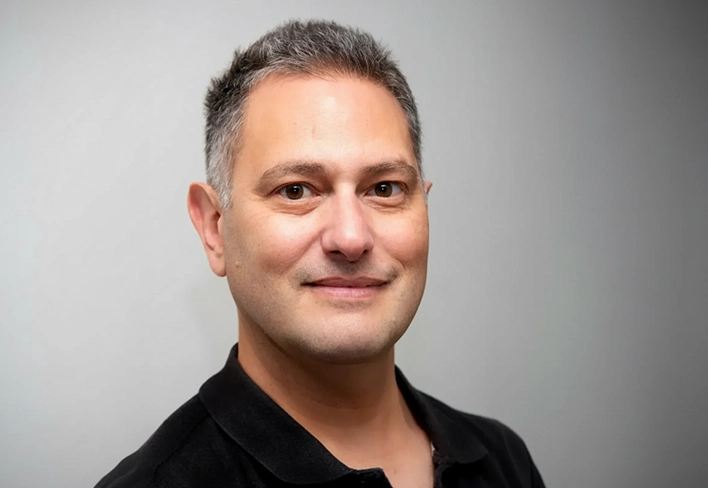
Adam Szmerling
Psychoanalytic Psychotherapist
- 20+ years of experience
- $200 per 50-min session
- $89.50 back from Medicare for up to 10 sessions a year, with a GP Mental Health Treatment Plan
- Available in-person & online


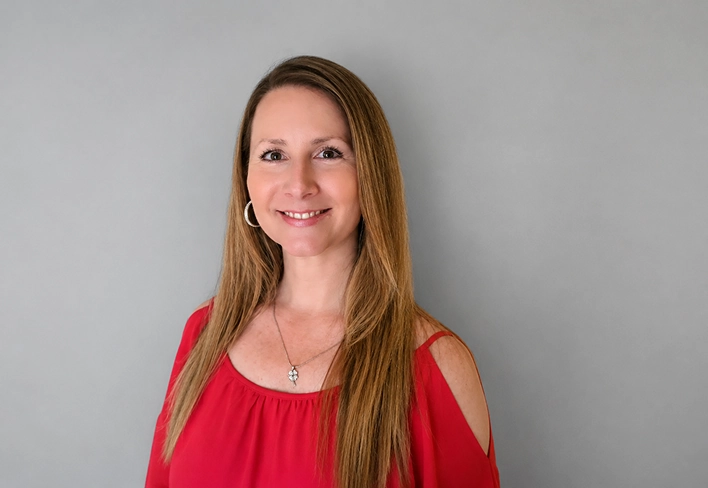
Carolina Rosa
Counsellor & Hypnotherapist
- 10+ years of experience
- $170 per 50-min session
- Available in-person & online
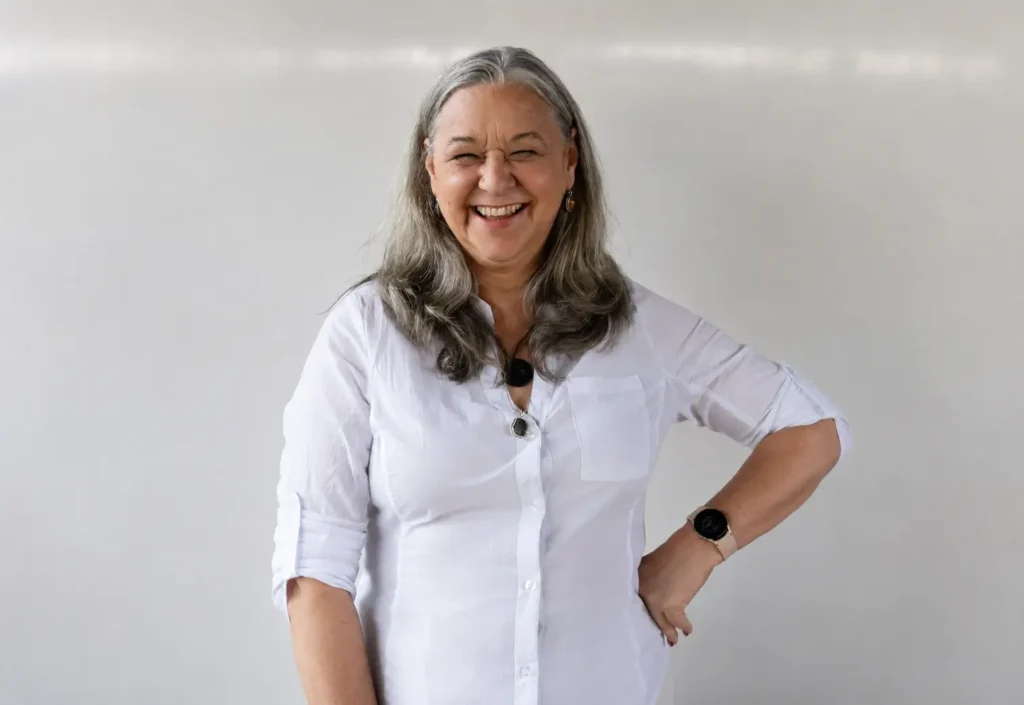
Bernadette Cameron
Hypnotherapist, Counsellor, NLP Master Practitioner
- 5+ years of experience
- $170 to $200 per 50-min session
- Available in-person & online
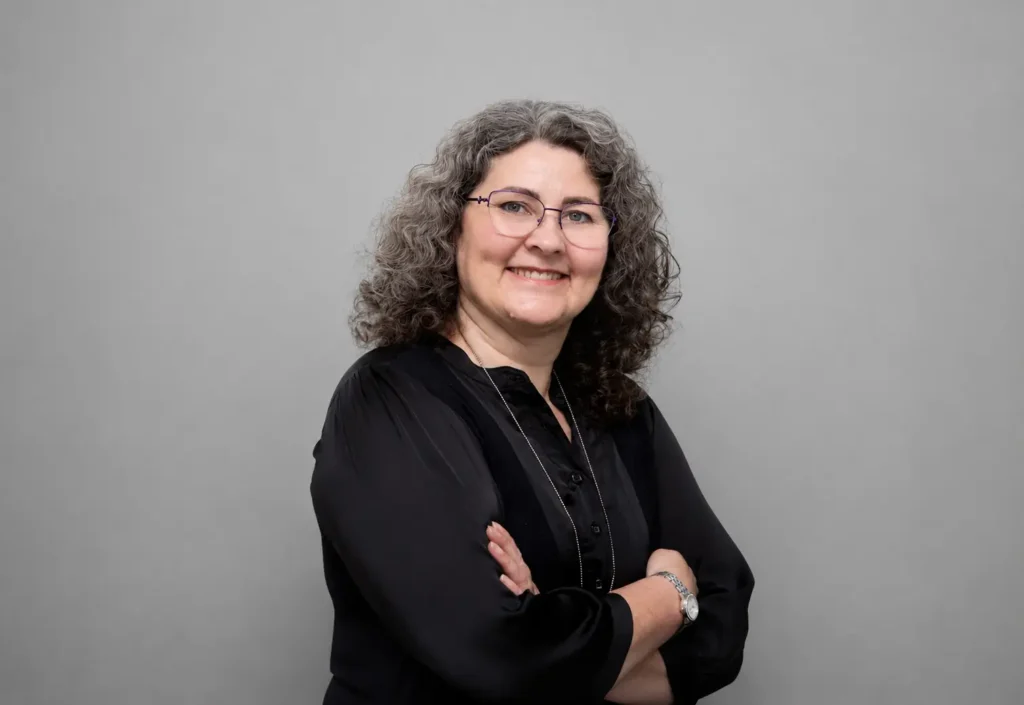
Sara Herring
Clinical Hypnotherapist & Counsellor
- 20+ years of experience
- $170 per 50-min session
- Available online
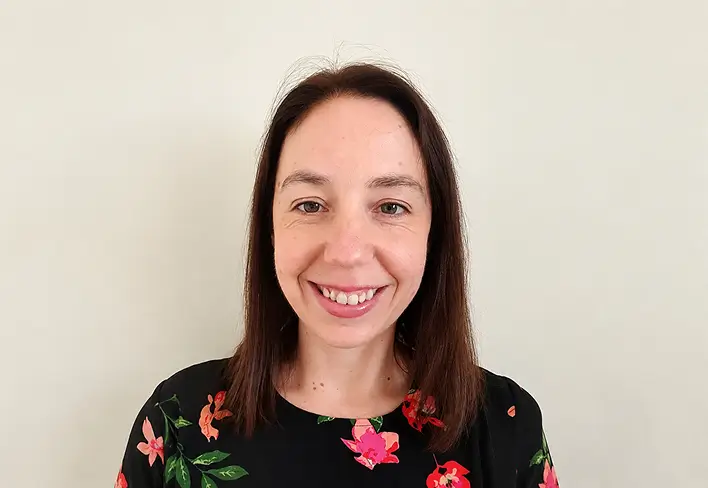
Natalie Szmerling
Clinical Psychologist
- 15+ years of experience
- $250 per 50-min session
- $149.05 back from Medicare for up to 10 sessions a year, with a GP Mental Health Treatment Plan
- Available in-person & online
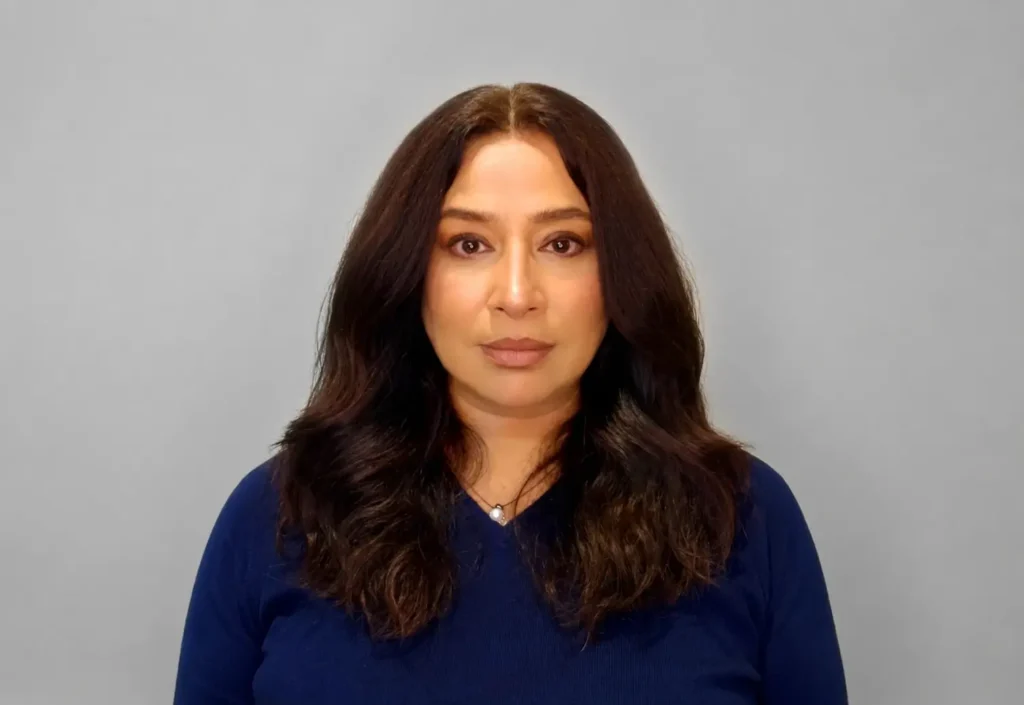
Humaira Ansari
Hypnotherapist, NLP Practitioner, Psychotherapist and Counsellor
- 16 years of experience
- $170 to $200 per 50-min session
- Available online
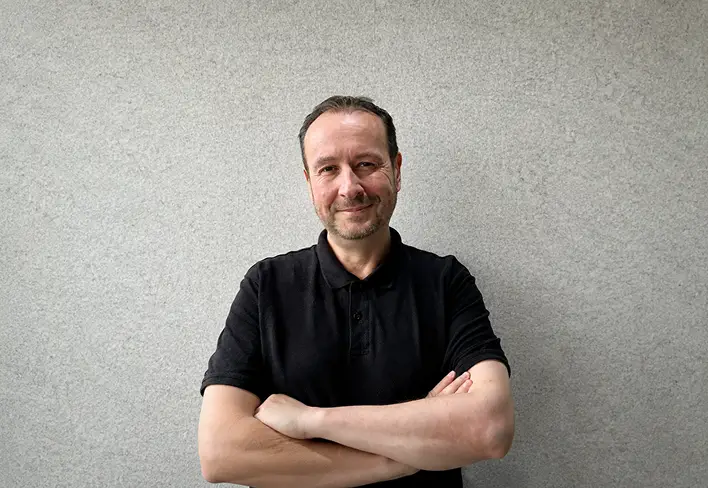
Lawrence Akers
Hypnotherapist & Counsellor
- 10 years of experience
- $170 per 50-min session
- Available in-person & online
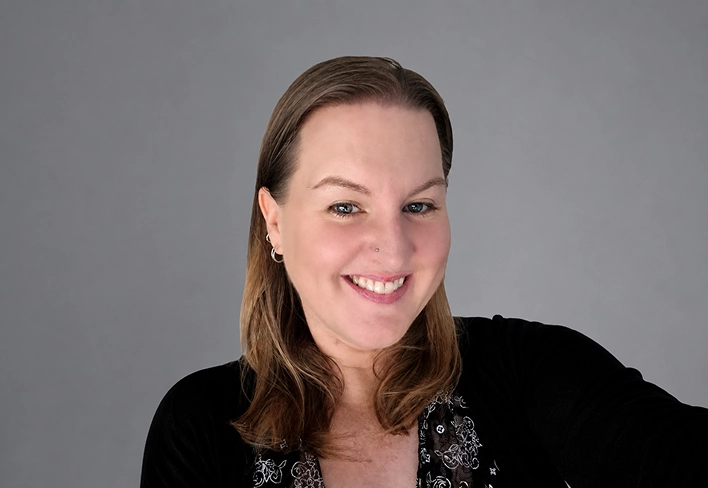
Kelli Tranter
Hypnotherapist & Counsellor
- 10+ years of experience
- $170 per 50-min session
- Available online
What is trauma, and when is it PTSD?
Trauma can follow a single event, such as a serious accident, an assault, a bushfire or flood, or seeing someone hurt or killed. It can also build up over months or years, as with abuse or neglect in childhood, domestic violence or exploitation.
Distress in the first couple of weeks is common, and most people recover with time and support from those around them. When symptoms last more than a month, they may be a sign of PTSD, a mental health condition that an estimated 11% of Australians experience at some point in their lives (2020 to 2022 data).
Complex PTSD can develop after trauma that was repeated or went on for a long time. As well as PTSD symptoms, people may find strong emotions hard to control, feel worthless or ashamed, and struggle to trust others.
Harm in childhood isn’t always physical. In the Australian Child Maltreatment Study, published in 2023, 30.9% of Australians aged 16 and over reported emotional abuse in childhood. Because it leaves no visible marks, it can be hard to recognise, even for the person it happened to.
Signs of PTSD and complex trauma
PTSD symptoms usually fall into four groups:
- Reliving it: unwanted memories, flashbacks, nightmares, or intense distress when something reminds you
- Avoiding reminders: keeping away from people, places or conversations that bring it back
- Changes in thinking and mood: blaming yourself, feeling numb, low or angry, or cut off from others
- Being on edge: watching for danger, startling easily, irritability, trouble sleeping and concentrating
After repeated or long-running trauma, there may also be:
- emotions that swing hard and are slow to settle
- a harsh, ashamed view of yourself
- difficulty trusting people or staying close to them
Recognising yourself in this list doesn’t mean you have PTSD, and only a qualified health professional can diagnose it.
What people tell us (composite)
“It was years ago. Why is it getting to me now?”
“Other people went through worse, so I shouldn’t still be struggling.”
“Most days I’m fine, then something small happens and I’m right back there.”
“I’m not ready to go through all the details.”
Composites built from what many different people have said, with details changed. No line is one person’s words.
If thinking about what happened leaves you feeling unsafe, Lifeline takes calls at any hour on 13 11 14; for an emergency, dial 000. For family, domestic or sexual violence, 1800RESPECT is on 1800 737 732 around the clock.
Is it PTSD? A free two-minute screener
The National PTSD Research Centre at UniSC’s Thompson Institute offers a free online screener that takes about two minutes, and you don’t need to give any personal details. It opens in a new tab.
A screener can’t diagnose PTSD. If your result suggests PTSD, talk it over with your GP or book a first session.
What makes PTSD more likely?
Not everyone who goes through trauma develops PTSD. It is more likely when someone caused the harm deliberately, when trauma happened repeatedly, when your work exposes you to it again and again, when you’ve had a mental illness before, when there was little support afterwards, or when more stress followed. Women were about twice as likely as men to have had PTSD in the past year (7.4% compared with 3.7%, 2020 to 2022).
What we think: what happened is one part of trauma. The other part is everything you have had to do since to keep going: staying alert, keeping busy, shutting feelings down, keeping people at arm’s length. Those ways of coping made sense when they started, and they often outlast the danger. In our experience, the work is understanding what they still guard against, so they can ease, gradually and at a pace you can manage.
Which kind of trauma therapy suits you?
Which fits depends on what weighs on you most today and on any therapy you’ve had before, and your first session helps sort that out. If a colleague’s approach fits you better, your practitioner will tell you and help arrange the change.
A lot of the people we see have tried therapy before, or want to work on more than a list of symptoms: how they get on with others, a harsh inner voice, or patterns that go back to childhood.
| Approach | What it involves | Who offers it |
|---|---|---|
| Counselling, with hypnotherapy if you’d like it | Works on how trauma affects you day to day: sleep, tension, triggers and strong feelings. Hypnotherapy can be added in the same session to help you settle and rest. It supports the work and does not treat PTSD by itself. $170 a session, no Medicare rebate. | Sara Herring (Vice President, AACHP; HCA accredited), Carolina Rosa (AACHP; on the HCA register), Kelli Tranter (AACHP and HCA), Bernadette Cameron (AACHP), Humaira Ansari (AHA; also a psychotherapist) and Lawrence Akers (GoAH) |
| Clinical psychology | Therapy for adults drawing on schema therapy, DBT, CBT and trauma-informed practice. $250 a session; with your GP’s Mental Health Treatment Plan, Medicare refunds $149.05. | Natalie Szmerling, AHPRA-registered clinical psychologist; member of the Australian Psychological Society |
| Psychoanalytic psychotherapy | For trauma rooted in childhood or in relationships, and how it shapes the way you feel about yourself and others now. In depth, open-ended and often long-term. $200 a session; with your GP’s Mental Health Treatment Plan, Medicare refunds $89.50. | Adam Szmerling, psychoanalytic psychotherapist (PACFA Reg. Clinical) and accredited mental health social worker (AASW) |
| Trauma-focused therapy for PTSD | Cognitive processing therapy, cognitive therapy for PTSD, prolonged exposure, EMDR and trauma-focused CBT are the treatments Australia’s PTSD guidelines recommend most strongly. We don’t offer them. Your GP can arrange this through a Mental Health Treatment Plan, with a referral to a psychologist who provides one of them. | Not offered at Bayside Psychotherapy |
Hypnotherapy alongside trauma counselling
Some people ask for hypnotherapy as a way to unwind when their body won’t switch off. Here it is offered as a support for sleep, tension and anxiety linked to trauma, and it is usually combined with counselling within one session. On its own, it is not a treatment for PTSD.
You can have it with Carolina, Bernadette or Lawrence face to face in Highett or over video, and with Sara, Humaira or Kelli over video. Hypnotherapy is $170 a session and Medicare doesn’t cover it. Private health funds differ: a few extras policies pay something towards sessions with members of GoAH (Lawrence) or the AHA (Humaira), so it’s worth asking yours.
Our self-hypnosis recording for trauma is made for listening at home. If you have PTSD, check with your GP or therapist before using it.
When to get help somewhere else first
We’re a private outpatient practice and can’t provide crisis or hospital care. Some situations need a different service first:
- Family violence or coercive control happening now: contact Safe Steps on 1800 015 188 or 1800RESPECT on 1800 737 732, both 24/7.
- Thoughts of suicide with a plan, psychosis, or severe dissociation (losing time, or feeling cut off from yourself or your surroundings for long stretches): see your GP or your local public mental health service. If life is in danger, dial 000. Lifeline’s 24-hour number is 13 11 14.
- Alcohol or drug use too heavy for weekly sessions: start with your GP or DirectLine on 1800 888 236, 24/7.
- A report for court, TAC, WorkSafe or Victims of Crime: we don’t write these, so ask your lawyer or GP about someone who does.
- Child protection matters: these are outside our work, and your GP or lawyer can point you to the right service.
- Trauma-focused therapy for PTSD (such as CPT, prolonged exposure or EMDR): talk to your GP about seeing a psychologist trained in it.
Free support: the Blue Knot Helpline for adult survivors of childhood trauma and the people close to them, 1300 657 380, 9am to 5pm AEST/AEDT, 7 days; Open Arms for Defence personnel, veterans and their families, 1800 011 046, 24/7; the Sexual Assault Crisis Line in Victoria, 1800 806 292.
Ready to talk to someone about it?
What happens when you start trauma counselling
Once you’ve booked online or through reception and paid through PayPal’s secure checkout, you’ll complete an intake form before the first appointment.
You don’t have to go through what happened in detail. The first conversation usually covers why you’re seeking help now, anything you’ve tried before and what you hope will change, and how much you share is up to you. We don’t run structured exposure programs, so you won’t be asked to relive memories to a set schedule.
If a session starts to feel like too much, say so. You can slow down, take a break or talk about something else.
With Natalie or one of the counsellors, therapy usually lasts anywhere between 6 and 20 sessions, depending on the person. Adam’s psychotherapy is open-ended; many people stay with it for months, some for years.
Sessions last 50 minutes, in Highett, over Zoom or Doxy.me video, or by phone if that works better. Whether video suits you is worth discussing early; with severe trauma, some people find meeting in person easier.
If you’d rather see a woman, say so when you book. Kelli Tranter has a phone or email conversation with everyone before their first session is booked.
To move an appointment, let reception or your therapist know 3 or more business days ahead.
Fees and Medicare rebates for trauma therapy
A session lasts 50 minutes. The fee is settled in full at the time of booking, via PayPal’s secure checkout, and any Medicare rebate is yours to claim after the session. Bulk billing and prepaid packages aren’t offered.
- Natalie Szmerling, clinical psychologist: $250. Her rebate is $149.05 per session under a GP’s Mental Health Treatment Plan, so you’re out of pocket $100.95 (MBS 80010 face to face, 91167 video, 91182 phone).
- Adam Szmerling, psychotherapist: $200. His rebate under the same kind of plan is $89.50, so you’re out of pocket $110.50 (MBS 80160 face to face, 91176 video, 91188 phone).
- All our other practitioners: $170 a session, and Medicare doesn’t apply.
- Couples: $200 a session, also outside Medicare.
Medicare subsidises a maximum of 10 of these sessions in each calendar year, whether in person, by video or by phone. The plan comes from your usual GP, or from a GP at the practice you’re enrolled with through MyMedicare. You only need a referral if you want the rebate.
Hypnotherapy has no Medicare rebate. Some of our therapists see NDIS participants who self-manage or are plan-managed, so ask reception. We don’t bill TAC, WorkSafe or victims of crime assistance schemes.
When someone you love has been through trauma
Living alongside someone’s trauma can wear you down too: the jumpiness, the distance, the subjects that can’t be raised. You can see one of our practitioners on your own, whether or not they’re getting help.
For couples work, the practitioners are Adam, Bernadette and Humaira; a 50-minute couples session is $200 and attracts no rebate. The couples therapist is usually not either partner’s own practitioner. We won’t see a couple when there is coercive control or family violence between them, or while Family Court or child protection proceedings are under way.
The Blue Knot Helpline (1300 657 380) also supports partners, family and friends of adults who experienced trauma as children.
Trauma and PTSD counselling FAQs
Do I need a psychologist for trauma or PTSD?
Not to book with us. Natalie Szmerling is our only psychologist, and she is AHPRA-registered. Adam Szmerling is a PACFA-registered psychoanalytic psychotherapist and an AASW-accredited mental health social worker; everyone else on our team is a counsellor, a hypnotherapist or both. Natalie’s sessions ($250) and Adam’s ($200) are Medicare-rebatable once your GP writes you a Mental Health Treatment Plan. We don’t have a psychiatrist, so ask your GP if you need one.
Will I have to talk about what happened?
Only as much as you choose, and when you’re ready. Many people begin with how things are now: sleep, work, relationships and what sets them off. Nobody here will take you through memories on a fixed timetable, because we don’t run structured exposure programs. If that is the kind of therapy you want, raise it with your GP, who can refer you on.
What’s the difference between PTSD and complex PTSD?
PTSD can follow one traumatic event or several. Complex PTSD is linked to trauma that was repeated or went on for a long time, such as abuse or neglect in childhood, domestic violence or exploitation. On top of PTSD symptoms, it can bring strong emotions that are hard to control, feelings of worthlessness or shame, and trouble trusting others.
Do you offer EMDR or cognitive processing therapy?
No. Australia’s PTSD guidelines give their strongest recommendation to EMDR, cognitive processing therapy, cognitive therapy, prolonged exposure and trauma-focused CBT, and none of our practitioners provides them. Your GP can write a Mental Health Treatment Plan and point you to a psychologist who offers one of these therapies.
Can I have trauma counselling online?
Yes. Every practitioner works by video, using Zoom or Doxy.me, and phone sessions can be arranged; Sara, Humaira and Kelli see people online only. Video costs the same as coming to Highett, and the Medicare rebate with Natalie ($250 a session) or Adam ($200) applies either way. With severe trauma, some people find meeting in person easier, and your therapist will talk with you early on about what suits you.
Is trauma counselling confidential?
Yes, with limits. If you see Natalie or Adam under a Mental Health Treatment Plan, they send a written report to the GP who referred you. Confidentiality can also be broken if someone’s safety is seriously at risk, or if the law requires it. Our privacy policy explains how your records are kept and who can see them.
Do you see teenagers or children about trauma?
Most of our practitioners see only adults. Humaira Ansari, Carolina Rosa and Kelli Tranter take on some younger clients, decided case by case, so ring reception on (03) 9557 9113 first to check. If a child is in immediate danger, call 000. Child protection matters are outside our work, and reception can point you to services that handle them.
Talk to a therapist about trauma
You don’t need to be sure it counts as trauma, or to know where to begin. How much therapy can help depends largely on what you bring to it, above all a readiness to look, in your own time, at what happened and how it still shows up. If part of you is ready for that, a first session is a sensible next step. Book video or a Highett appointment, then pay through PayPal’s secure checkout.
Still deciding? Reception is happy to answer questions; call (03) 9557 9113 on a weekday, 8:30am to 5:30pm. Urgent help is available at any hour from Lifeline on 13 11 14, and in an emergency call 000.
Directions to trauma counselling in Highett
You’ll find us at Suite 8, 539 Highett Road in Highett (VIC 3190), behind a glass door marked with the practice name. Parking is free out the front and in the car park at the back. There’s no wheelchair-accessible toilet, accessible parking space or hearing loop, so if you need any of these, a video session may be easier.
Get directions in Google MapsNote: This information is informative only and is not to be used for diagnosis or substitution of appropriate assessment and/or treatment by your GP or another qualified health professional. We take care to keep our information accurate and up to date, but it may contain errors or omissions. To the extent the law allows, we’re not responsible for loss caused by relying on it, as explained in our Website Disclaimer.
If you are in immediate danger call 000. Lifeline 13 11 14 is available 24/7. 1800RESPECT (1800 737 732) answers around the clock for family, domestic or sexual violence.