
Shy Bladder Syndrome
Shy Bladder (Paruresis) Treatment in Melbourne & Online

Last updated . Reviewed for accuracy by Adam Szmerling. Accredited Mental Health Social Worker (AASW) and PACFA Registered Clinical Psychotherapist
You need to go, but with someone nearby, nothing happens.
Shy bladder syndrome (paruresis) is when anxiety makes it hard or impossible to pass urine with other people close by or within earshot. Writing in 2019, Australian researchers estimated it affects between 2.8% and 16.4% of people. Our counsellors, hypnotherapists and psychotherapists see people for it in Highett, or by video anywhere in Australia.
You pay when you book, securely through PayPal, and reception can move your time with at least 3 business days’ notice. Prefer to ask a question first? Send us a message.
- $170 for a 50-minute session of counselling or hypnotherapy, with no referral needed
- Medicare rebate of $89.50 a session with Adam Szmerling ($200), with a GP Mental Health Treatment Plan
- Weekday evenings and Saturdays, depending on the therapist
On this page: What it is · Symptoms · Causes · Who to see · Hypnotherapy · Fees · FAQs
Therapists for shy bladder (paruresis)
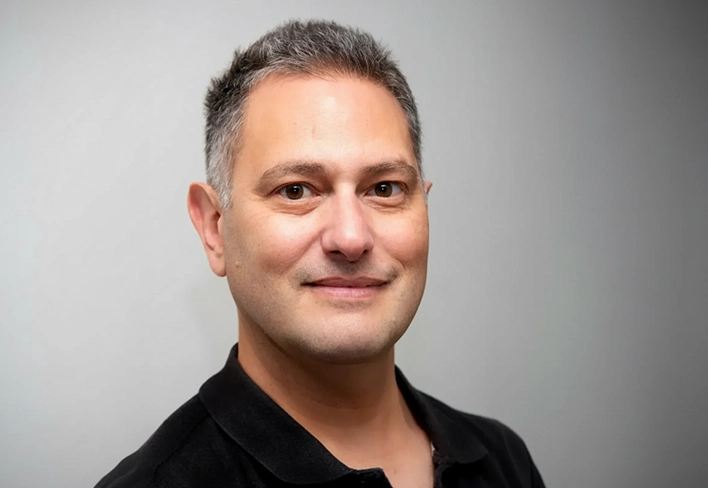
Adam Szmerling
Psychoanalytic Psychotherapist
- 20+ years of experience
- $200 per 50-min session
- $89.50 back from Medicare for up to 10 sessions a year, with a GP Mental Health Treatment Plan
- Available in-person & online
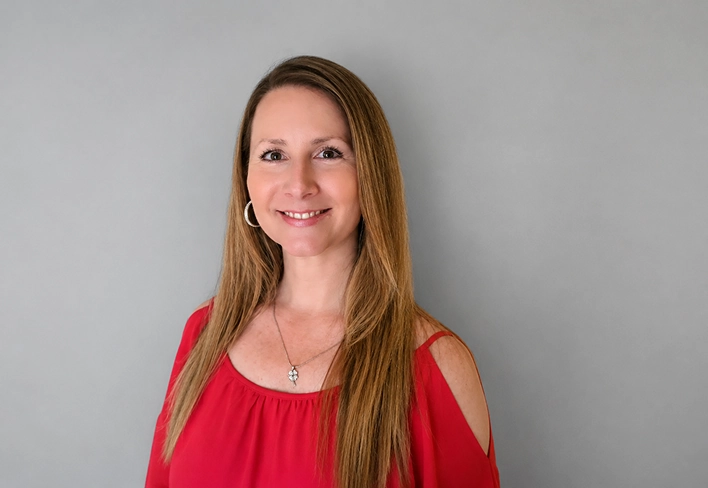
Carolina Rosa
Counsellor & Hypnotherapist
- 10+ years of experience
- $170 per 50-min session
- Available in-person & online
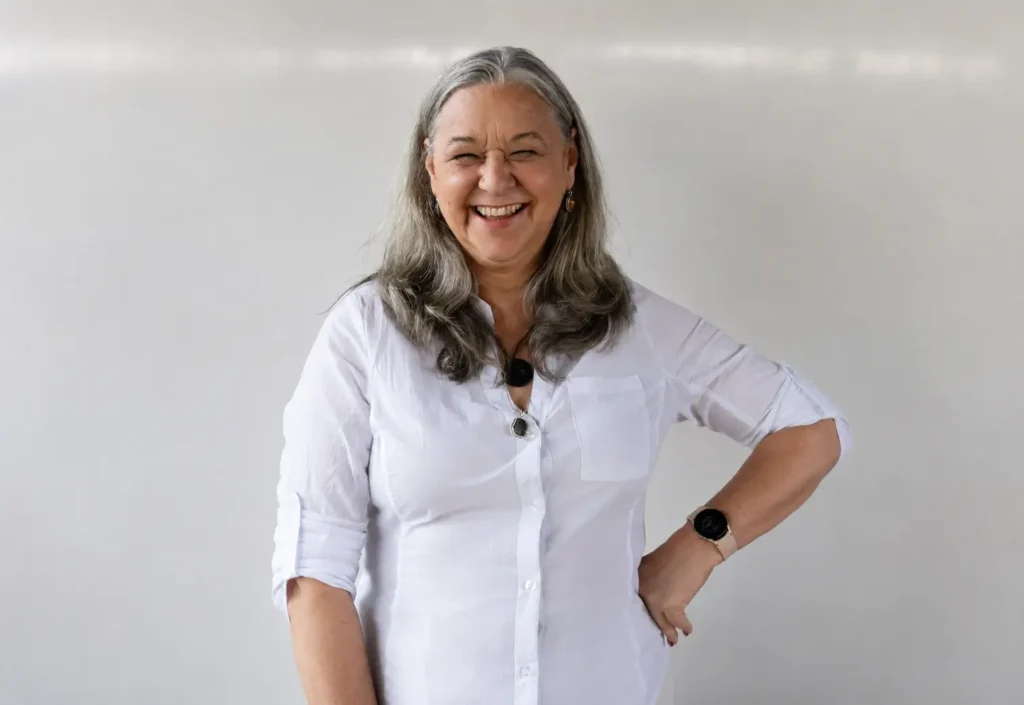
Bernadette Cameron
Hypnotherapist, Counsellor, NLP Master Practitioner
- 5+ years of experience
- $170 to $200 per 50-min session
- Available in-person & online
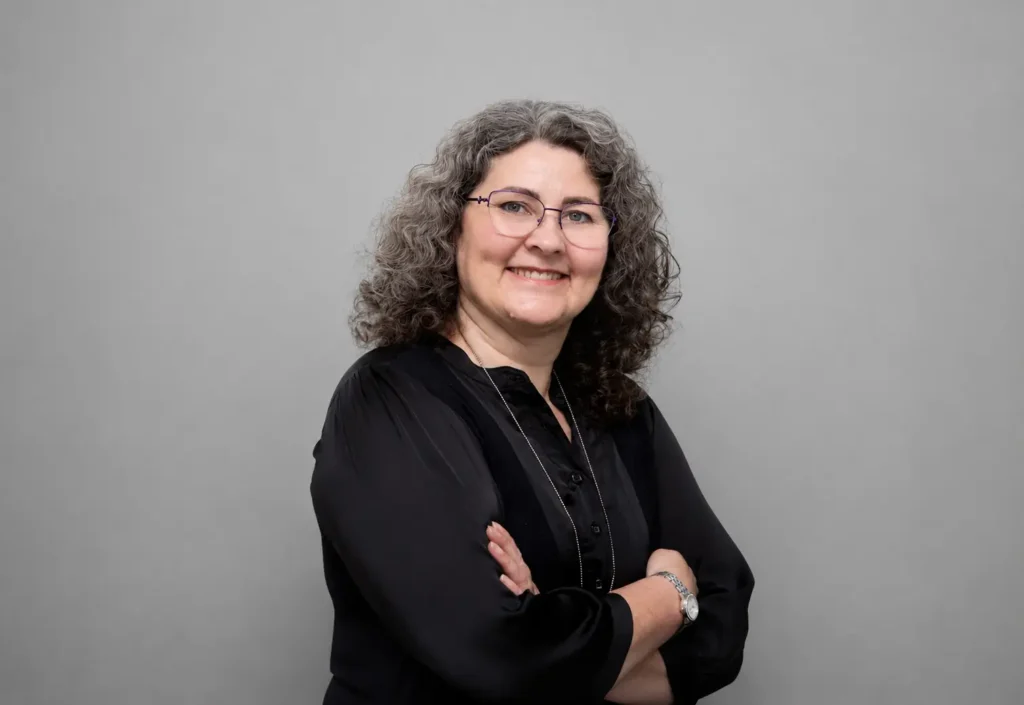
Sara Herring
Clinical Hypnotherapist & Counsellor
- 20+ years of experience
- $170 per 50-min session
- Available online
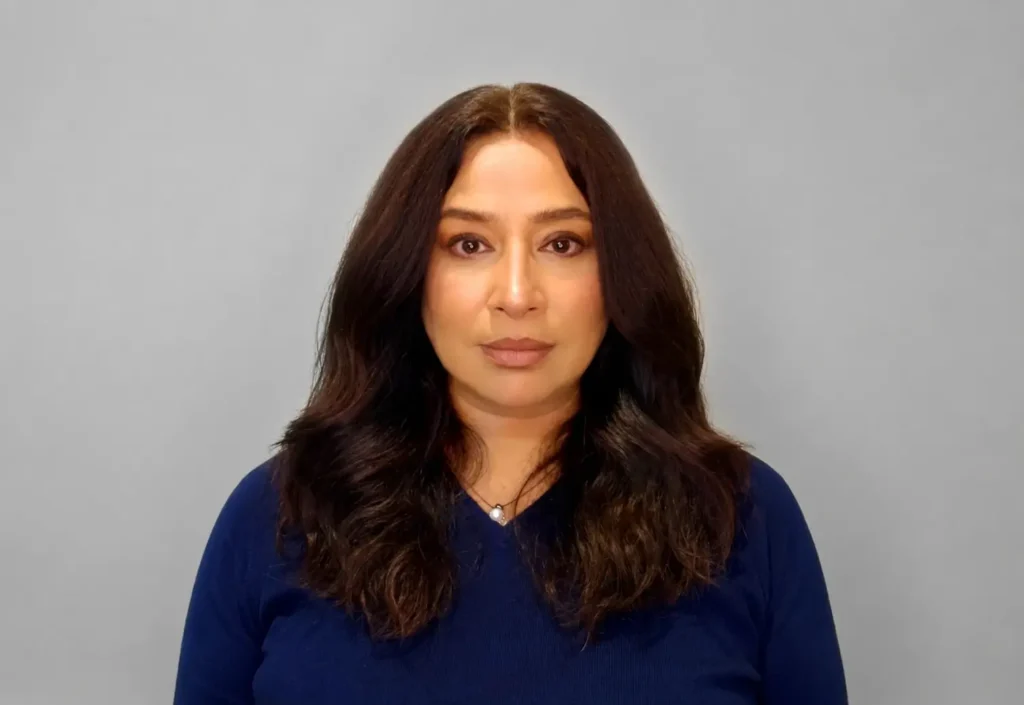
Humaira Ansari
Hypnotherapist, NLP Practitioner, Psychotherapist and Counsellor
- 16 years of experience
- $170 to $200 per 50-min session
- Available online
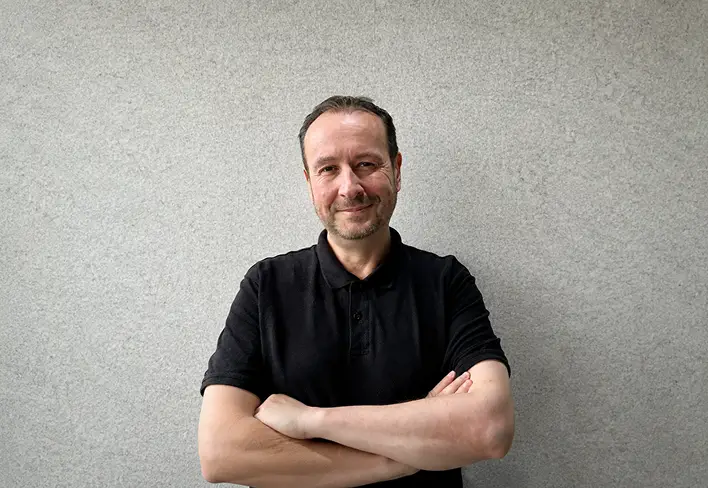
Lawrence Akers
Hypnotherapist & Counsellor
- 10 years of experience
- $170 per 50-min session
- Available in-person & online
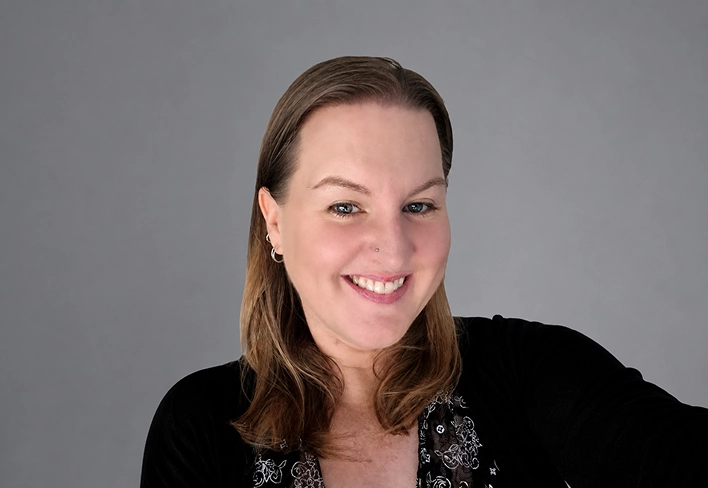
Kelli Tranter
Hypnotherapist & Counsellor
- 10+ years of experience
- $170 per 50-min session
- Available online
What is shy bladder syndrome (paruresis)?
Shy bladder syndrome, or paruresis, is difficulty passing urine when other people are nearby or might hear: in a public toilet, at work, at a friend’s place, or with someone waiting outside the door. In private, and with enough time, it’s usually straightforward.
It’s a recognised anxiety problem. The DSM-5 lists paruresis as an example of social anxiety disorder, although Australian researchers argue it may be better understood as a condition in its own right, closer to a specific phobia.
It’s also more common than most people realise: estimates range from 2.8% to 16.4% of people (Australian Journal of General Practice, 2019). It’s reported more often by men, and it affects people of any gender. You may also know it as pee shy, bashful bladder or bladder shyness.
Shy bladder symptoms and signs
You may recognise some of these:
- Needing to go, but nothing happens while anyone else is in the room
- Waiting for the toilet to empty, or choosing the cubicle furthest from other people
- Anxiety building in the days before a flight, an event or a work trip where the toilets will be shared
- A racing heart, sweating, blushing or shaking while you wait for it to happen
- Drinking less before going out, or planning the day around where you can go privately
- Leaving early, declining invitations, or avoiding places where you’re not sure about the facilities
For some people it’s a hesitation that passes once the room clears. For others it rules out shared bathrooms, long trips, overnight stays, or a job that needs a supervised urine sample.
The effect is rarely confined to the bathroom. People describe an embarrassment they’ve never told anyone about, a running calculation about toilets that takes up attention all day, and social or work opportunities quietly let go. In a 2002 survey of 63 people with paruresis, about half had turned down a job offer and more than half had kept it from their friends (reported in the RACGP’s journal in 2019).
Things people often say
“I’m exhausted overthinking and planning where the bathrooms will be.”
“I never used to be like this, but I’ve always had social anxiety and blushed.”
“Why do I care what people think?”
Composite examples drawn from many people, with details changed. They aren’t quotes from individual patients.
What causes shy bladder?
There’s no single known cause. Australian researchers describe shy bladder as driven by an overwhelming fear of scrutiny. In an Australian survey, the fear of being judged negatively was the thought pattern most strongly linked with symptoms.
Your body joins in. When you’re anxious, the muscles that let urine flow tense up and can’t relax, and trying to force it adds more tension. Researchers also say that avoiding the places that set it off keeps the fear going.
Some people link it to an embarrassing experience in a public toilet, such as being teased. Others have no clear starting point. A family history of paruresis, or another mental health problem, makes it more likely.
What we think: in our experience, shy bladder is often about being noticed: the worry that someone will hear, wait, or wonder what’s taking so long. The usual workarounds (running the tap, waiting for an empty room, drinking less) can get you through the day, and they’re often part of what keeps the fear in place. For some people it sits on top of a longer story of social anxiety or blushing, and it can help to talk about that as well.
Which shy bladder treatment suits you?
Australian researchers expect psychological therapy to help most with shy bladder, especially cognitive behavioural therapy (CBT) with gradual exposure, because it helps with other anxiety problems. They also noted in 2019 that no treatment for it had yet been tested in a clinical trial.
Here, you can choose counselling, hypnotherapy or psychotherapy, and everyone listed on this page has worked with shy bladder. What suits you depends on what you want from therapy, and your first session helps work that out. If the approach you start with isn’t the right fit, your therapist can point you to someone here who works another way.
Approaches to shy bladder here, and who offers them
| Approach | What it involves | Who offers it |
|---|---|---|
| Counselling and clinical hypnotherapy | Works on what happens in the moment: the body’s stress response, the fear of being heard or judged, and planning for real situations such as a flight, a festival or a work urine test. Hypnotherapy uses deep relaxation and focused attention, and counselling can be combined in the same session. | Carolina Rosa (AACHP; Hypnotherapy Council of Australia); Bernadette Cameron (AACHP); Sara Herring (AACHP; Hypnotherapy Council of Australia), video only; Kelli Tranter (AACHP; Hypnotherapy Council of Australia), video only; Lawrence Akers (GoAH); Humaira Ansari (AHA), video only |
| Psychoanalytic psychotherapy | Looks at the shame underneath, and why being heard or seen feels so exposing. Open-ended, and it can run for months or years. | Adam Szmerling, PACFA Registered Clinical Psychotherapist and AASW Accredited Mental Health Social Worker |
| Structured CBT with gradual exposure | A set course of steps that builds up, over time, to the situations you avoid. | Not offered here. Your GP can refer you to a psychologist under a Mental Health Treatment Plan. |
Hypnotherapy for shy bladder
You can see Carolina Rosa, Bernadette Cameron or Lawrence Akers for hypnotherapy in Highett or by video. Sara Herring, Humaira Ansari and Kelli Tranter work by video only, and Kelli talks with each new client by phone or email first.
Cleveland Clinic lists hypnotherapy among the options for shy bladder. Your hypnotherapist may also bring counselling into the same session.
Each session is $170, with no Medicare rebate. If you have extras cover, your fund may pay something towards sessions with an AHA or GoAH member, which here means Humaira Ansari (AHA) or Lawrence Akers (GoAH). Check with your fund first.
Their cards above show fees and availability, and reception on (03) 9557 9113 can book you in with a hypnotherapist.
Should I see a GP about shy bladder?
Yes, before or alongside therapy. Difficulty passing urine can have physical causes, and doctors check for those first.
See your GP soon if it happens at home when you’re alone too, or if you strain, have a weak stream, or feel you haven’t emptied your bladder. If your bladder feels full and you can’t pass any urine at all, see a doctor straight away or go to an emergency department.
Your GP can also write the Mental Health Treatment Plan you’d need for a Medicare rebate with Adam, or refer you to a psychologist if you want a structured CBT course.
Who we can’t help: we’re not a crisis service. If you’re in danger or thinking about harming yourself, call 000 or Lifeline on 13 11 14. Most of our therapists see adults only. Carolina Rosa, Humaira Ansari and Kelli Tranter see younger clients case by case, so ring reception before booking for someone under 18.
Free support: Beyond Blue’s counsellors are available 24/7 on 1300 22 4636. The International Paruresis Association lists a Melbourne support group and online groups.
Ready to talk it through? Book online in a few minutes, or let the short, anonymous finder suggest a therapist.
Your first session for shy bladder
You can book online without a phone call: pick a therapist and a time, and pay securely through PayPal. Kelli Tranter works a little differently and talks with each new client by phone or email first. You’ll complete an intake form before your first session.
In the first session your therapist asks what happens, where, and what you’ve already tried. Plain words are fine; everyone on this page has worked with shy bladder. Sessions happen in our Highett rooms or by video on Zoom or Doxy.me, and some therapists also work by phone.
What you say stays confidential, with two exceptions: under a Mental Health Treatment Plan, Adam keeps your GP informed, and confidentiality has limits if someone’s safety is at serious risk.
How many sessions you need is worked out case by case. Psychotherapy with Adam is open-ended and can run for months or years.
Need a different time later? Tell reception or your therapist at least 3 business days ahead.
Fees and Medicare rebates for shy bladder therapy
Sessions last 50 minutes. You pay the full fee when you book, securely through PayPal, and claim any rebate afterwards. We don’t bulk bill, and there are no session packages.
Counselling or hypnotherapy with Carolina, Bernadette, Sara, Humaira, Lawrence or Kelli: $170. Medicare doesn’t cover these sessions.
Psychotherapy with Adam Szmerling: $200. Adam is an Accredited Mental Health Social Worker (AASW), so with a GP Mental Health Treatment Plan, Medicare pays back $89.50 (item 80160 in the rooms, 91176 by video, 91188 by phone), leaving you $110.50 to pay.
The rebate covers up to 10 sessions a calendar year, whether you see Adam in the rooms, by video or by phone.
You can book without a referral; the GP plan is only needed for Adam’s rebate.
Shy bladder FAQs
Does shy bladder go away?
It can be managed, though it often takes treatment, according to Cleveland Clinic. Australian researchers expect psychological therapy to help most, and noted in 2019 that no treatment had yet been tested in a clinical trial. How long it takes varies from person to person, and here the number of sessions is worked out case by case.
Is shy bladder a medical problem or an anxiety problem?
It’s an anxiety problem. With shy bladder you’re physically able to go, but anxiety keeps the muscles from relaxing when others are near. Difficulty passing urine can also have physical causes, so it’s worth having your GP check for those, especially if it happens at home too.
Can holding on for too long cause problems?
It can. Holding on until you get home can lead to health problems such as urinary tract infections. Drinking less to avoid needing to go is common, and researchers see habits like this as one of the things that keep the fear going. If your bladder feels full and you can’t pass any urine at all, see a doctor straight away or go to an emergency department.
What can I try in the moment?
Give yourself time, because forcing it tends to tighten the muscles further. Slow breathing can take the edge off, and Cleveland Clinic lists breathing exercises and meditation among the options for shy bladder. Keep drinking normally through the day. These can help on the day, and if the fear keeps coming back, it’s worth talking through with someone.
Is there medication for shy bladder?
Some people take medication alongside therapy. Australian researchers describe it as a possible add-on to psychological treatment, which they see as the main approach. Medication is a conversation for your GP, or a psychiatrist your GP refers you to; none of our therapists prescribe.
What if I need to give a urine sample for work?
Tell the employer or collection service early that you find it hard to go with someone present. If you can’t give a sample, Cleveland Clinic suggests asking whether a saliva, blood or hair sample is possible instead. Your GP may be able to write a supporting letter, and a test date is something you can plan for with your therapist.
Do I need a referral, and will Medicare help?
You don’t need a referral to book. Medicare helps only with psychotherapy with Adam Szmerling ($200): with a GP Mental Health Treatment Plan, you get $89.50 back a session for up to 10 sessions a calendar year. Counselling and hypnotherapy ($170) have no Medicare rebate, though some extras policies pay towards hypnotherapy with AHA or GoAH members.
More on shy bladder and related anxieties
You might also want to read about:
- Social anxiety treatment
- Blushing
- Fear of public speaking
- Anxiety treatment
- All the anxieties we work with
- Hypnotherapy at Bayside Psychotherapy
- Counselling and psychotherapy
- Online counselling and therapy
- Questions about starting therapy
Our shy bladder self-hypnosis MP3 is for use at home. It doesn’t replace working with a therapist.
Talk to a therapist about shy bladder
You can start by video, from home, if that feels easier.
Much of the change comes from you, and from being willing to look at what the fear is about as well as what it stops you doing. If you’re open to that, a first session is a good place to start. Choose video or our Highett rooms, pick a time and pay through PayPal, which means we never see your card details.
Want to speak to someone first? Reception answers on (03) 9557 9113, weekdays 8:30am to 5:30pm.
Directions to shy bladder therapy in Highett
8/539 Highett Road, Highett VIC 3190. Suite 8 is the glass door with our name on it.
Note: This information is informative only and is not to be used for diagnosis or substitution of appropriate assessment and/or treatment by your GP or another qualified health professional. We take care to keep our information accurate and up to date, but it may contain errors or omissions. To the extent the law allows, we’re not responsible for loss caused by relying on it, as explained in our Website Disclaimer.
If you are in immediate danger call 000. Lifeline 13 11 14 is available 24/7. Beyond Blue also answers 24/7, free, on 1300 22 4636.