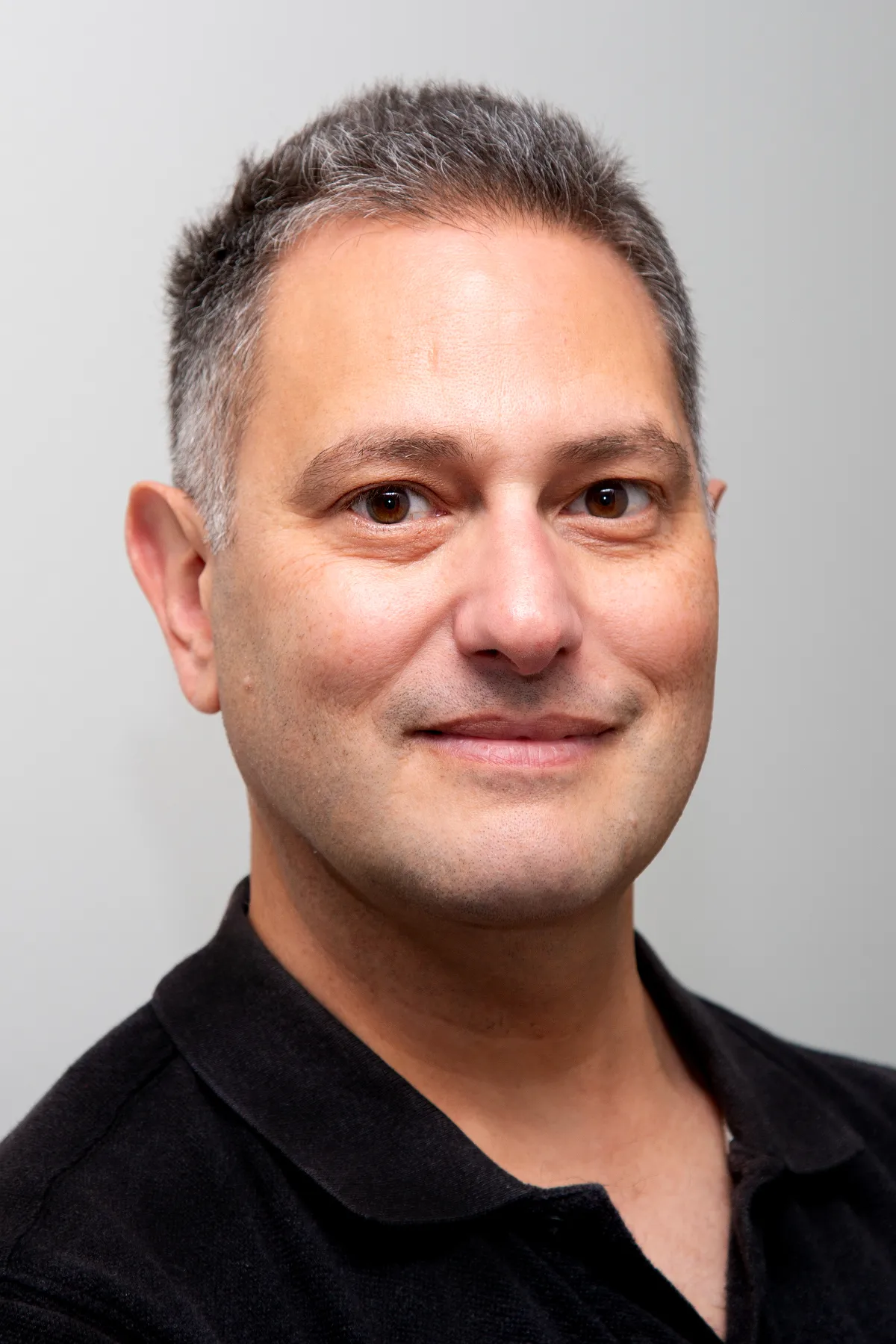
Adam Szmerling
Psychoanalytic Psychotherapist
“With over 20 years of dedicated experience in psychoanalytic psychotherapy, I help adults and couples overcome anxiety, addiction, and relational struggles to rediscover calm and confidence.”
About Me
Struggling with anxiety, relationship issues, or emotional overwhelm? I’m Adam Szmerling, a Melbourne psychotherapist with over 20 years of experience helping people like you find confidence and calm.
Born and raised in Melbourne, I’m an Accredited Mental Health Social Worker (AASW) and Clinical Psychotherapist (PACFA Reg. Clinical 21960).
For over 20 years, I’ve helped individual adults and couples who feel stuck in cycles of anxiety, addictions, relationship difficulties, or overwhelming emotions to find new perspectives and transform themselves.
I own Bayside Psychotherapy, offering both online and face-to-face sessions in Melbourne’s Bayside location. As the owner, I’m proud that our clinic was featured on Channel 7’s House of Wellness, showcasing our expertise in fears and phobias.
My primary approach is Psychoanalytic Psychotherapy, focused on creating nuanced perspectives into your thoughts and behaviours. This method has sound research validating its usefulness for individuals who are committed to the process. I also use Schema Therapy when needed.
To make psychotherapy accessible, in addition to in-clinic sessions (Highett) I offer secure, encrypted online sessions, so you can receive care from anywhere, whether you’re in Melbourne or another location.
Therapy isn’t just about qualifications. Qualities like compassion, empathy, good communication and open-mindedness are equally important. That’s why I approach every session with a non-judgmental attitude, blending Eastern and Western methods to find what works best for you.
My clients often tell me they feel truly heard, understood and accepted for who they are.
Expert Profile
Expertise:
Psychotherapy
Schema Therapy
Can help with:
General Anxiety
Relationship Difficulties
General Addictions
Binge Drinking
Self-Sabotage
Compulsive Lying
Childhood Trauma
Health Anxiety
Emetophobia
Fees: $200 per 50-min session (Individuals & Couples)

Qualifications
Bachelor of Applied Social Science (Counselling)
Graduate Diploma of Buddhist Psychotherapy
Master of Social Work (MSW)
Certificate of Lacanian Psychoanalytic Theory and Practice
Golden Key Member
Clinical and Mental Health Member of the Psychotherapy and Counselling Federation of Australia (PACFA)
Accredited Mental Health Social Worker (AMHSW)

How I can help you?
Psychoanalytic Psychotherapy (Lacanian): Lacanian Psychoanalytic Psychotherapy helps uncover unconscious thoughts through conversation. During our sessions, I pay close attention to your words, noticing subtle hints, like slips of the tongue, repeated phrases, or dreams, that might reveal deeper, hidden motivations. This therapy isn’t about giving advice or solving problems directly; it’s about helping you reflect on these unconscious signs to gain new insights.
Unlike traditional therapy, where you might expect the therapist to fix problems, Lacanian Psychotherapy sees these gaps, or this sense of ‘lack’ as a crucial part of being human worthy of understanding rather than hasty fixing.
My role is to help you understand this ‘lack’ in a new way. Instead of trying to figure out your unconscious alone, you share it with me, and together we can turn that understanding into lasting change. We begin with conversation, and as trust builds, you might be invited to lie on the couch when timing is right to deepen your self-reflection.
Schema Therapy: looks at how early childhood experiences can create patterns that affect your thoughts, feelings and behaviours as an adult. It combines ideas from cognitive-behavioural therapy, attachment theory, and psychodynamic therapy to help you understand and change harmful patterns. This approach also helps couples improve how they relate to each other.
These therapies go beyond treating symptoms—they address the root causes. Regular sessions over time are key to achieving the best results.
Though deeper work takes time, some clients feel positive changes early in therapy as we work towards sustainable change.
Why work with me?
Choosing a psychotherapist is about finding someone who really understands what you’re going through.
Here’s why I might be a good fit for you:
- I bring a caring, non-judgmental approach to our sessions.
- Your privacy is important to me. I use secure, encrypted platforms for online sessions to keep your information safe.
- I blend Eastern and Western therapeutic practices to create a treatment plan that’s right for you.
- I stay updated with the latest research and methods to make sure you get the best care. My specialties include Lacanian Psychoanalysis, Buddhist Psychotherapy, mindfulness and Schema Therapy.
- I’m committed to ongoing professional development and providing supervision to other therapists, so I’m always learning and growing in my practice.
I only take on clients who are a good fit for my methods and are committed to the therapy process. This means being open to exploring how your past affects your present and being ready to work through difficult issues. Initial sessions are a valuable opportunity to trial the method and see if there is a fit.
Understanding your needs
If you’re curious about why you think, feel, and act the way you do and are ready to explore these questions, my approach could be right for you.
Psychotherapy takes time. We’ll work together to understand your thoughts, feelings, and behaviours. Over time, many people start to feel more in control of their lives and emotions.
If you’re curious about why you think, feel, and act the way you do and are ready to explore these deeper questions, my approach could be right for you.
I know that symptom relief is important to you, but focusing too much on symptoms can make things worse. It’s a bit like trying to fall asleep: the more you try, the harder it can be. Instead, we’ll work on understanding you better, which can bring natural relief.
Getting started
Therapy works best when you’re committed to prioritising our sessions with openness to exploring your deeper thoughts and feelings and establishing fresh perspectives.
If that sounds like you, I’d love to help. Here’s how to get started:
1. Book your session: You can call me at (03) 9557 9113 or book your appointment online.2. Prepare for your session: For online appointments, I’ll send you a secure form to fill out and a link to our virtual waiting room. For in-person appointments, you’ll receive an email confirmation and an intake form to complete before your visit.
You can claim Medicare rebates with a valid Mental Health Care Plan (MHCP). Bulk-billing is not available. You or your GP can email me, or fax your referral to 03 9124 1522.
I also accept NDIS self-managed and plan-managed clients on a case by case basis. Please contact me before booking if you are an NDIS participant.
Is it time to work on you?
Frequently Asked Questions
How long are therapy sessions?
Therapy sessions are 50 minutes long—a focused time to unpack what’s weighing you down, whether it’s anxiety, relationship struggles, or compulsive lying. How often we meet depends on where you’re at—weekly sessions are common to dig into the root causes, but we’ll tailor it to you. Many start feeling shifts early on, though deeper change often unfolds over months or even years with regular commitment. If you’ve got a Mental Health Care Plan (MHCP), it helps with costs, but 10 sessions rarely scratch the surface of what psychoanalytic therapy can do. We’ll talk it through and find a pace that feels right for lasting progress.
Do you offer evening or weekend appointments?
Yes, I offer evening and Saturday appointments because life doesn’t stop when you need support. Whether you’re swamped with work or balancing family, I’ll do my best to find a slot that works—availability varies, so check and book online easily. It’s about tackling whatever’s holding you back, like overwhelm or relationship stress. You can check availability and book online.
What is your approach to confidentiality and privacy?
Your story stays safe with me. I follow Victoria’s Privacy Laws to keep everything you share strictly confidential, only stepping in if the law requires it. Online sessions use secure, encrypted platforms, so whether you’re in Highett or across Melbourne, you can speak freely—about anxiety, shame, or anything else—knowing you’re in a judgment-free space. Trust is the foundation here.
Where are your sessions located?
I’m based in Highett, in Melbourne’s Bayside area—perfect if you’re nearby and want face-to-face sessions to work through anxiety, relationships, or whatever’s on your mind. Not local? Not a problem—I offer secure online therapy across Melbourne and beyond, bringing the same deep support to you, wherever you are. It’s about meeting you where you’re at, literally and emotionally.
Do you provide crisis intervention or emergency support?
I don’t provide crisis intervention—my work is about diving deep into issues like anxiety, guilt, compulsive lying or problematic relationship patterns over time, not emergency fixes. If you’re in a potentially unsafe spot right now, call Lifeline on 13 11 14 for immediate support. When you’re ready to explore what’s really going on beneath the surface, I’m here to endeavour to help you build lasting change.
What is your policy on missed or cancelled appointments?
I carve out 50 minutes just for you, so if you need to cancel or reschedule, please let me know as soon as you can with at least three full working days notice—life gets messy, I get it. If you’re unwell, we can often switch to online or phone to keep the momentum going. My cancellation policy is full fee for late notice, but it’s there to keep our work steady as well as respect my time—whether we’re tackling addiction or overwhelm. I’m flexible where I can be to support you by switching to telehealth if necessary.
Do you work with other healthcare professional, such as psychiatrists or primary care GP, if needed?
Yes, with your consent, I’ll collaborate with your GP, psychiatrist, or other professionals to round out your care—especially if you’ve got a Mental Health Care Plan (MHCP). It’s useful at times for complex circumstances and weaving together insights on issues like anxiety, addiction, or relationship stress. My psychoanalytic lens complements their input, helping us tackle the deeper incompatible thoughts and feelings together.
What is the price?
Sessions are $200 for 50 minutes—your commitment for aiming to break free from anxiety, compulsive lying, or relationship ruts. With a Mental Health Care Plan (MHCP), you can claim a Medicare rebate, though the first session’s full fee applies. NDIS self-managed or plan-managed? I’ve got you covered—just reach out before booking. No bulk billing, but every session is about real, lasting value, not just a quick chat. You can book your session here.
Time to start therapy?
- Email Us
Sidebar Contact Form
- Call Us
03 9557 9113
Reception Phone Hours
- Monday
- Tuesday
- Wednesday
- Thursday
- Friday
- 8:30am to 5:30pm
- 8:30am to 5:30pm
- 8:30am to 5:30pm
- 8:30am to 5:30pm
- 8:30am to 5:30pm
- Book Online
Choose your own date and time for an online or in-clinic session
Therapist Hours
- Monday
- Tuesday
- Wednesday
- Thursday
- Friday
- Saturday
- 8:00am to 8:00pm
- 8:30am to 8:00pm
- 8:30am to 8:00pm
- 8:30am to 8:00pm
- 8:30am to 8:00pm
- 8:30am to 6:00pm