
Binge Eating
Binge Eating Treatment in Melbourne & Online

Last updated . Reviewed for accuracy by Adam Szmerling. Accredited Mental Health Social Worker (AASW) and PACFA Registered Clinical Psychotherapist
“I’ve slipped, so I might as well keep eating.” It’s a harsh, all-or-nothing thought, and a very common one.
Binge eating disorder means regularly eating a very large amount of food in a short time, feeling unable to stop, then feeling ashamed or distressed afterwards. In the 2020-21 national mental health study, one in 20 Australians aged 16 to 85 had experienced binge eating at some point in their lives.
You can work with a clinical psychologist, a psychotherapist, or a counsellor who also practises hypnotherapy, at our Highett practice or over video anywhere in Australia. We also see people whose eating follows their feelings, often called emotional or comfort eating.
Book a time in Highett or online. Payment goes through PayPal’s secure checkout as you book, and reception will shift the booking if you give 3 or more business days’ warning. Questions first? Phone (03) 9557 9113, weekdays 8:30am to 5:30pm.
- Carolina, Sara, Humaira and Kelli charge $170 for 50 minutes, and no referral is needed
- Medicare rebates with Adam, whose fee is $200, and Natalie, whose fee is $250, when your GP has prepared a Mental Health Treatment Plan
- Weeknight appointments until 8pm, plus Saturdays; times vary by therapist
On this page: Who to see · Signs · Free screener · Emotional eating · Treatment options · Fees · FAQs
Therapists for binge eating in Highett and online

Adam Szmerling
Psychoanalytic Psychotherapist
- 20+ years of experience
- $200 per 50-min session
- $89.50 back from Medicare for up to 10 sessions a year, with a GP Mental Health Treatment Plan
- Available in-person & online


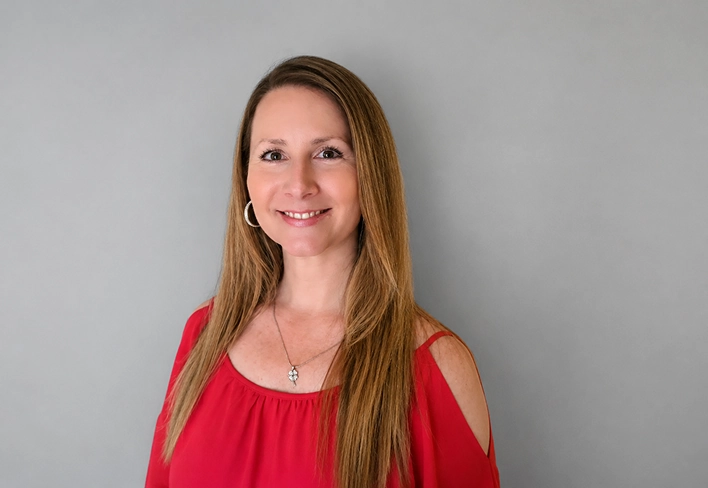
Carolina Rosa
Counsellor & Hypnotherapist
- 10+ years of experience
- $170 per 50-min session
- Available in-person & online

Sara Herring
Clinical Hypnotherapist & Counsellor
- 20+ years of experience
- $170 per 50-min session
- Available online

Natalie Szmerling
Clinical Psychologist
- 15+ years of experience
- $250 per 50-min session
- $149.05 back from Medicare for up to 10 sessions a year, with a GP Mental Health Treatment Plan
- Available in-person & online

Humaira Ansari
Hypnotherapist, NLP Practitioner, Psychotherapist and Counsellor
- 16 years of experience
- $170 to $200 per 50-min session
- Available online

Kelli Tranter
Hypnotherapist & Counsellor
- 10+ years of experience
- $170 per 50-min session
- Available online
What is binge eating disorder?
Binge eating disorder (BED) is an eating disorder and a mental health condition. A binge means eating a large amount of food in a short time, often quickly, in secret or past the point of fullness, with a sense of being out of control (healthdirect).
It is diagnosed when binges happen at least once a week for three months (NEDC). Unlike bulimia, people with binge eating disorder don’t regularly make themselves sick, use laxatives or over-exercise to make up for eating (healthdirect). If that sounds more like you, our bulimia page covers it.
In Australia, nearly 1 in 2 people with an eating disorder have binge eating disorder, and fewer than 1 in 3 people with an eating disorder seek help (Butterfly Foundation and Deloitte Access Economics, 2024).
Most people overeat sometimes, at a celebration or after a long week. What sets a binge apart is the loss of control and the distress that follows. If most of your eating happens late at night, night eating syndrome may fit better.
Signs of binge eating disorder
Signs listed by healthdirect and the NEDC include:
- Eating far more than most people would in the same time, and faster than usual
- Eating when you aren’t hungry, or carrying on after you feel full
- Eating alone or in secret, hiding food, or keeping a stash
- Feeling guilty, ashamed or low once it’s over
- Thinking about food, weight or body shape much of the time
- Pulling back from plans that involve eating with others
- Tummy pain, bloating, tiredness, trouble concentrating, poor sleep or heartburn
What people tell us (composite)
“I’m either being really good or I’ve completely blown it. There’s no middle.”
“One biscuit and the day’s ruined, so I finish the packet and start again tomorrow.”
“Nobody knows. I buy extra so no one notices what’s gone.”
Pieced together from many first sessions, with details changed. No line comes from a single person.
Could it be an eating disorder? Try a free screener
The InsideOut Institute at the University of Sydney offers a free online screener for common eating disorders, including binge eating disorder. It asks a few questions and points you to information and support that fit your answers. It opens on their website.
A screener can’t diagnose an eating disorder. Whatever your result, if eating feels out of your control, it’s worth talking to your GP or one of our therapists.
Butterfly’s free National Helpline, 1800 33 4673, is open 8am to midnight, seven days a week. Lifeline (13 11 14) answers around the clock if you’re having thoughts of suicide, and 000 is for immediate danger.
What causes binge eating?
There is rarely a single cause. Contributing factors named by healthdirect and the NEDC include:
- Dieting and strict food rules: hunger, or the guilt of breaking a rule, can both set off a binge
- Feelings about your body, weight and shape
- Low self-esteem and emotions that are hard to sit with
- Trauma
- Neurodivergence, such as ADHD or autism
- Genes and a family history of eating disorders
- Drug or alcohol misuse, food insecurity, and unmet social or emotional needs
What we think: binge eating is rarely about food alone. Many people we see run their eating, and often themselves, on strict either-or rules: good or bad, on track or failed. When a rule breaks, the whole day feels lost, and eating fills the space until the next fresh start. Another diet tends to tighten those rules. We’re more interested in what the eating soothes or blocks out, and in the harsh voice that arrives afterwards. That black-and-white thinking is common, and it is something therapy can work with.
Emotional eating and comfort eating
Emotional eating, also called comfort eating, means eating to soothe or distract yourself from a feeling: stress, boredom, loneliness, sadness or anger. Most people do it now and then. It becomes a problem when food is your main way of coping, when you regularly eat well past fullness, or when guilt afterwards feeds the next round.
Emotional eating isn’t a diagnosis. It can stand on its own or sit inside binge eating disorder, and the therapists on this page work with both. Counselling and hypnotherapy work on noticing the feeling before the food and finding other ways to meet it. Psychotherapy asks what the feeling is about and why food became the answer.
Between sessions, our comfort eating self-hypnosis MP3 can support the work. It is voiced by a professional voice-over artist.
Which binge eating treatment suits you?
People come wanting different things. Some want fewer binges soon and practical ways to ride out an urge. Others have tried that and want to understand why the pull keeps coming back. Your first sessions are where you and your therapist work out which fits, and that can change as you go.
| Approach | What it involves | Who offers it |
|---|---|---|
| Counselling with hypnotherapy | Looks at what sets up a binge: the times, feelings and food rules around it. Hypnosis is used to practise staying calm when an urge arrives and to rehearse a different response. Usually 6 to 20 sessions. | Carolina Rosa (AACHP); Sara Herring (AACHP Vice President; Hypnotherapy Council of Australia); Humaira Ansari (AHA); Kelli Tranter (AACHP; Hypnotherapy Council of Australia) |
| Clinical psychology (CBT and DBT) | Cognitive behavioural therapy works on eating patterns and the thoughts that drive them. Dialectical behaviour therapy teaches skills for managing strong emotions. Medicare rebate with a GP Mental Health Treatment Plan. | Natalie Szmerling, clinical psychologist (AHPRA-registered; APS member) |
| Psychoanalytic psychotherapy | For binge eating that keeps coming back, and for anyone who wants to understand what drives it. Explores what the eating is connected to, usually weekly, over months or longer. Medicare rebate with a GP Mental Health Treatment Plan. | Adam Szmerling, Accredited Mental Health Social Worker (AASW) and PACFA Registered Clinical Psychotherapist |
Should a different approach look like a better match, your therapist will tell you plainly and suggest a colleague here who fits.
We don’t run a structured enhanced CBT (CBT-E) program. CBT-E has a strong research base for binge eating. If that is what you want, ask your GP for a referral to an eating disorder clinician, or try the free Binge Eating eTherapy (BEeT) program online, for people aged 16 and over.
Psychodynamic approaches have trial evidence for binge eating too. In a trial of group therapy for binge eating disorder, psychodynamic interpersonal therapy and CBT gave similar results a year later, and people who worried more about rejection in close relationships did better in the psychodynamic group. Psychodynamic therapy is also rated as research-supported for depression and anxiety, both common alongside binge eating. Trials don’t all agree, and people also pick the way of working that makes sense to them.
Hypnotherapy for binge eating
Carolina Rosa works in person in Highett as well as over video. Sara Herring, Humaira Ansari and Kelli Tranter are online only, and Kelli arranges a short call-back before a first booking.
In hypnotherapy you stay awake and in control, in a relaxed, focused state. Your hypnotherapist uses it to rehearse the moment an urge arrives and a different way through it, alongside counselling about what is driving the eating. It is one part of therapy. Results can’t be promised, so progress is reviewed together as the sessions go on.
A hypnotherapy session is $170 with no Medicare rebate. Some extras policies pay a portion for members of the AHA (Australian Hypnotherapists Association) or GoAH (Guild of Australian Hypnotherapists), and Humaira Ansari belongs to the AHA. Your fund can confirm what it covers.
Some people also use our binge eating self-hypnosis MP3 at home. It is voiced by a professional voice-over artist and made to sit alongside therapy.
When to see your GP first, and when we refer on
We usually work alongside your GP. Binge eating disorder is linked with type 2 diabetes, high blood pressure, high cholesterol, heart disease, sleep apnoea and depression (RACGP, 2023), so a GP check-up is a good first step, and your GP can keep an eye on your physical health while you see us.
When your therapist assesses the risk to your health as moderate or higher, we refer you on. That includes:
- Fast weight change, fainting, chest pain or other physical warning signs
- Regular vomiting, laxative use or long stretches without eating to make up for binges
- Thoughts of suicide or self-harm
In those situations your GP or a dedicated eating disorder service is the safer place to start, and your GP can arrange the referral.
Kelli Tranter, Carolina Rosa and Humaira Ansari see some young people under 18, case by case, working with their GP and family.
If family violence or coercive control is happening at home, we can’t start therapy; 1800RESPECT (1800 737 732) can help. We don’t provide crisis support.
For eating concerns, Butterfly’s National Helpline is 1800 33 4673, and Victorians can also contact Eating Disorders Victoria on 1300 550 236. Lifeline takes calls 24/7 on 13 11 14, and 000 is for immediate danger.
Tired of starting again every Monday?
Your first sessions for binge eating
Book online or through reception, paying through PayPal’s secure checkout at the time of booking, and complete a brief intake form before you come.
Your first appointment covers how a binge tends to unfold, what you have already tried, and where eating sits in the rest of your life. If you’ve tried therapy before, it helps to say what was useful and what wasn’t, in your own words. Many people feel ashamed talking about eating at first, so the pace is yours.
Online appointments happen over Zoom, Doxy.me or the phone. Whether online suits you is discussed early on. If your physical safety needs watching, your therapist may ask to meet in person or to work more closely with your GP.
Most people see Carolina, Sara, Humaira, Kelli or Natalie for 6 to 20 sessions in total. Adam’s psychotherapy has no fixed end point and often runs for months or years. Nobody can tell in advance whether a therapist is the right fit; it tends to become clearer across the first few appointments.
Need a different time? Tell reception or your therapist at least 3 business days in advance.
Fees and Medicare rebates for binge eating therapy
Sessions are 50 minutes long. You settle the whole fee at booking through PayPal’s secure checkout and claim any Medicare rebate later. There is no bulk billing, and no packages are offered. Without a Medicare claim, no GP plan or referral is required.
- Adam Szmerling, psychoanalytic psychotherapy: $200. With a GP Mental Health Treatment Plan, Medicare returns $89.50 a session (item 80160 in the rooms, 91176 by video, 91188 by phone), so you’re $110.50 out of pocket.
- Natalie Szmerling, clinical psychology: $250. With the same plan, Medicare returns $149.05 (item 80010 in the rooms, 91167 by video, 91182 by phone), so you’re $100.95 out of pocket.
- Carolina Rosa, Sara Herring, Humaira Ansari and Kelli Tranter, counselling and hypnotherapy: $170, with no Medicare rebate.
A Mental Health Treatment Plan covers up to 10 rebated sessions a calendar year. Some people with an eating disorder qualify for a Medicare Eating Disorder Plan, which can cover up to 40 sessions in 12 months. Adam’s and Natalie’s rebates here are claimed under a Mental Health Treatment Plan, so if you might qualify for an Eating Disorder Plan, your GP can explain where to use it.
Humaira’s card lists $170 to $200 because she sees couples as well. If money is the obstacle, the free BEeT program and Butterfly’s helpline cost nothing to try.
For partners, parents and family
Binge eating is usually hidden, so the people closest often notice before anything is said: food going missing, wrappers in odd places, or someone skipping family meals and eating later alone. In our experience, remarks about weight or portions, however kindly meant, tend to add to the shame.
One of our therapists can see you on your own, whether or not your partner or child is ready for help. The Butterfly Foundation supports carers as well.
Adam, Bernadette and Humaira offer couples sessions at $200, with no Medicare contribution, and they aren’t available if there is family violence or coercive control in the relationship. For a child under 18, begin with your GP; Kelli, Carolina and Humaira see some young people, case by case, with family involved.
Questions about binge eating treatment
Should I see a psychologist or a counsellor for binge eating?
Both see people with binge eating here. Natalie Szmerling is our clinical psychologist (AHPRA-registered), and her sessions attract a Medicare rebate with a GP Mental Health Treatment Plan. Carolina, Sara, Humaira and Kelli are counsellors and clinical hypnotherapists, at $170 with no rebate. Adam is a psychoanalytic psychotherapist and mental health social worker whose sessions also attract a rebate. The Find your therapist quiz can help you choose.
What is the difference between extreme hunger and binge eating?
Extreme hunger follows a long stretch without enough food, and it settles once your body has what it needs. A binge brings a sense of losing control and often happens when you aren’t physically hungry. The two are linked: skipping meals or strict dieting can set up the hunger that leads to a binge, which is why building a regular eating pattern is part of treatment.
What is the root cause of binge eating?
There isn’t a single cause. Dieting and strict food rules, difficult emotions, low self-esteem, trauma, ADHD or autism, and a family history of eating disorders can all play a part. In our experience the eating often starts as a way of getting through something, and understanding what that is matters as much as changing the habit.
Can hypnotherapy help with binge eating?
Several of our counsellors combine hypnotherapy with talking through what triggers a binge. Hypnosis gives you a calm, focused space to rehearse getting through an urge. Nobody can promise it will work for you, so progress is reviewed together. Sessions cost $170 each, and Medicare pays nothing towards hypnotherapy; certain health funds contribute for hypnotherapists registered with the AHA or GoAH.
Does Medicare cover binge eating therapy?
Yes, with Adam ($200 a session, $89.50 back) or Natalie ($250, $149.05 back) once your GP prepares a Mental Health Treatment Plan, which allows up to 10 rebated sessions per calendar year. Our counsellors and hypnotherapists charge $170, and Medicare doesn’t rebate their sessions. We don’t provide sessions under Medicare Eating Disorder Plans; your GP can tell you whether you qualify for one and where to use it.
Can I have binge eating therapy online?
Yes. Every therapist on this page offers online sessions over Zoom or Doxy.me, and Sara, Humaira and Kelli work only online. Adam, Natalie and Carolina also have rooms at 8/539 Highett Road, Highett, and Adam and Natalie can do phone sessions. If your physical health needs watching, your therapist may ask to meet in person or to involve your GP more closely.
How many sessions will I need?
That depends on you and on the approach. With our counsellors, hypnotherapists and Natalie, most people attend between 6 and 20 appointments. Adam’s psychotherapy has no set length and often lasts months or longer, because it looks at why the eating keeps returning. Your therapist will discuss this with you early and revisit it along the way.
Is binge eating disorder dangerous?
It can affect your health over time. Binge eating disorder is linked with type 2 diabetes, high blood pressure, high cholesterol, heart disease, sleep apnoea and depression. The shame and secrecy around it can also be isolating. A GP check-up is worth doing alongside therapy, and your GP can keep an eye on your physical health.
Other eating concerns and further reading
These pages may also help:
- Bulimia, if binges are followed by vomiting, laxatives or skipping meals
- Night eating syndrome, if most of your eating happens late in the evening or overnight
- Chocolate addiction, if one food has a particular hold on you
- Junk food habits, if the pull is towards takeaway and snacks
- Eating concerns we work with
- Hypnotherapy in Melbourne and psychotherapy and counselling
From our blog: 7 tips to break away from binge eating, how going on a diet can lead to emotional eating and how to overcome emotional eating.
Talk to a therapist about binge eating
Binge eating tends to stay hidden for years, and the first conversation is often the hardest part. Change depends mostly on you, though not only on you. It helps to be willing to explore two pulls at once, wanting the binges gone and still reaching for food. If you can bring both, choose a Highett or video session and pay at booking through PayPal’s secure checkout.
Would you like help choosing? Phone reception on (03) 9557 9113, Monday to Friday between 8:30am and 5:30pm.
Directions to our Highett rooms for binge eating therapy
Suite 8, 539 Highett Road, Highett VIC 3190. Look for Bayside Psychotherapy on the glass door of Suite 8. Parking is free at the front of the building and in the car park behind it.
Open directions in Google MapsThis page gives general information about binge eating and emotional eating. It isn’t a diagnosis and can’t stand in for advice from your own GP or health professional. What therapy achieves depends a great deal on your own part in it, and no outcome is promised. We look over this page often, yet it may still contain mistakes; our Website Disclaimer explains how far our responsibility goes.
If you are in immediate danger call 000. Lifeline 13 11 14 is available 24/7. Butterfly’s National Helpline for eating disorders, 1800 33 4673, opens 8am to midnight, seven days a week.