
Anxiety and GAD
Anxiety and GAD Treatment in Melbourne & Online

Last updated . Reviewed for accuracy by Adam Szmerling. Accredited Mental Health Social Worker (AASW) and PACFA Registered Clinical Psychotherapist
Finding it difficult to switch off worry, stop overthinking, or relax?
Generalised anxiety disorder (GAD) is worry that is hard to control and moves from one thing to the next, often with tension, poor sleep and trouble concentrating. In the 2020 to 2022 national study, 3.8% of Australians aged 16 to 85 had GAD in the previous 12 months. Our practitioners include counsellors, hypnotherapists, a psychoanalytic psychotherapist and a clinical psychologist, and you can see them in our Highett rooms or by video.
Choose a time in our Highett rooms or by video; PayPal takes the payment securely at the time of booking. Plans change? Reception can move your appointment with at least 3 business days’ notice. Would you rather talk first? Call (03) 9557 9113, weekdays 8:30am to 5:30pm.
- Six of our eight practitioners charge $170 for 50 minutes, and you can book without a referral.
- A GP Mental Health Treatment Plan gets you a Medicare rebate with Adam Szmerling ($200 a session) or Natalie Szmerling ($250).
- Open weekdays to 8pm and on Saturdays; hours vary by practitioner.
On this page: Check your anxiety · Treatment options · Hypnotherapy · What to expect · Fees · Partners and family · FAQs
Anxiety therapists in Melbourne and online
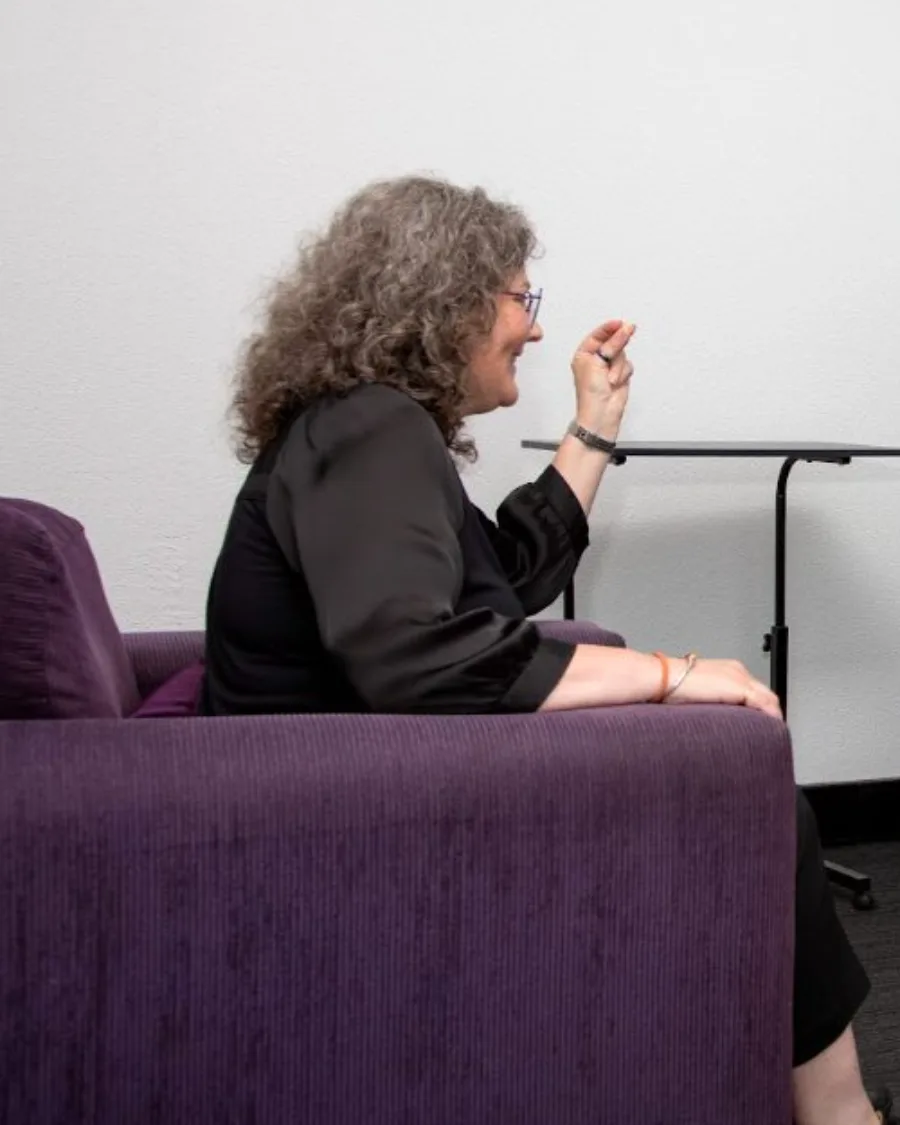
All eight of our practitioners work with generalised anxiety. The cards below set out each person’s approach to it, their fee and where they practise.

Adam Szmerling
Psychoanalytic Psychotherapist
- 20+ years of experience
- $200 per 50-min session
- $89.50 back from Medicare for up to 10 sessions a year, with a GP Mental Health Treatment Plan
- Available in-person & online


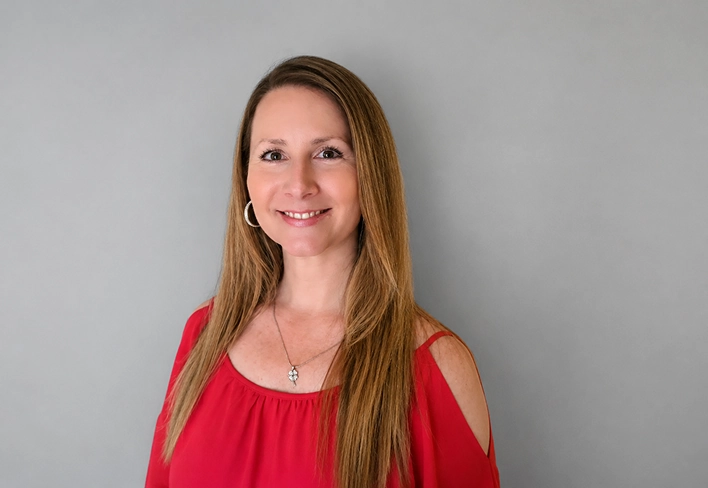
Carolina Rosa
Counsellor & Hypnotherapist
- 10+ years of experience
- $170 per 50-min session
- Available in-person & online
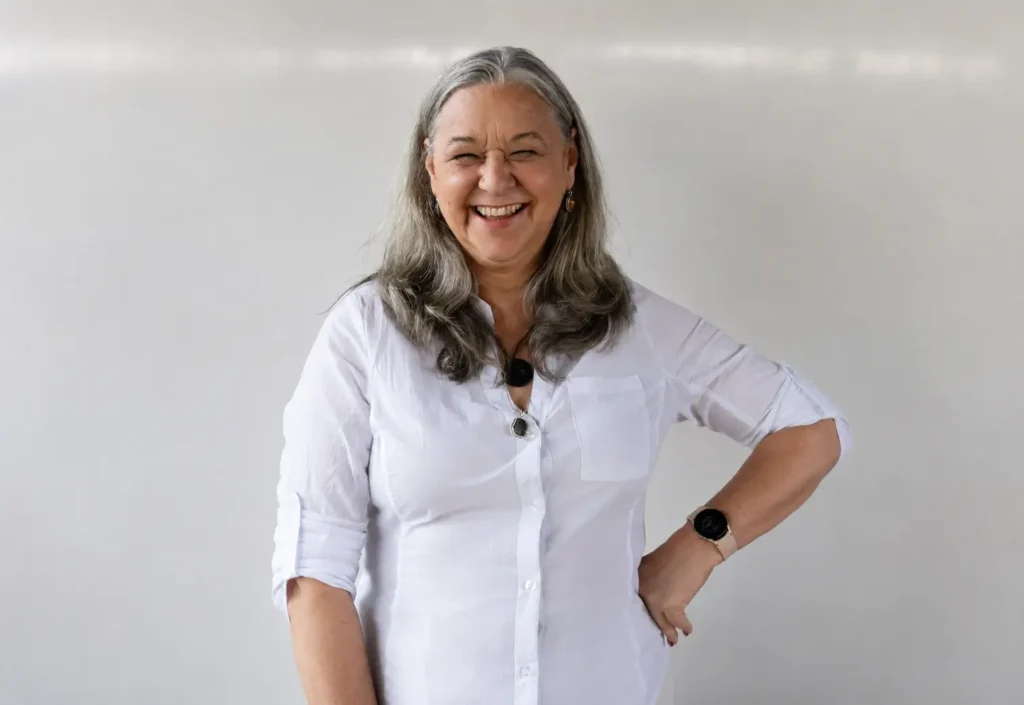
Bernadette Cameron
Hypnotherapist, Counsellor, NLP Master Practitioner
- 5+ years of experience
- $170 per 50-min session
- Available in-person & online
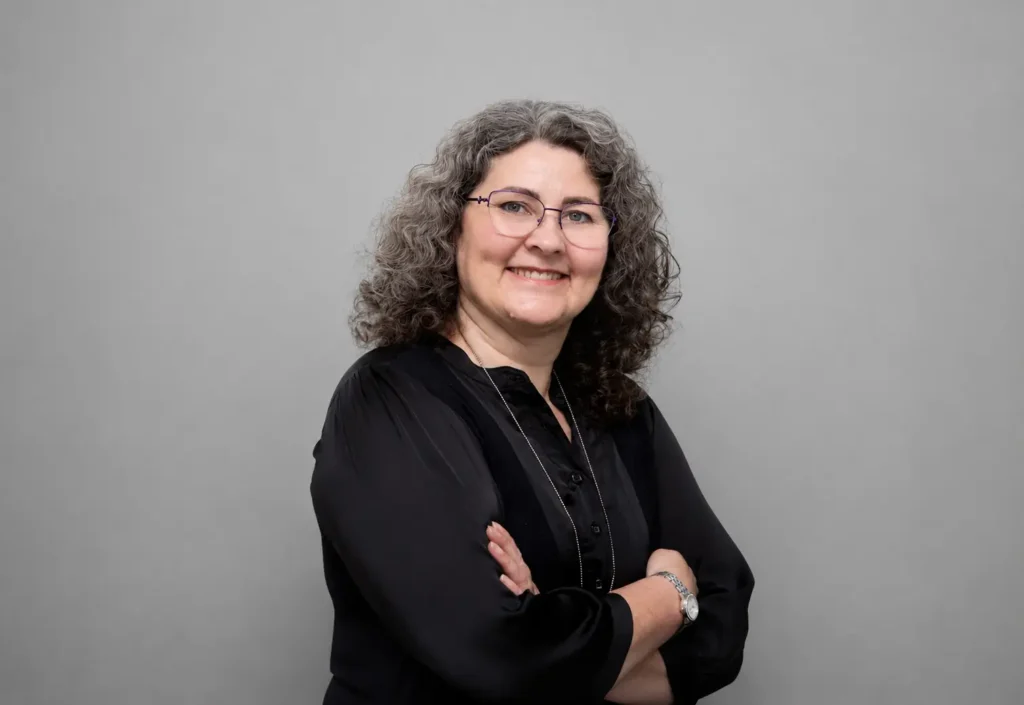
Sara Herring
Clinical Hypnotherapist & Counsellor
- 20+ years of experience
- $170 per 50-min session
- Available online
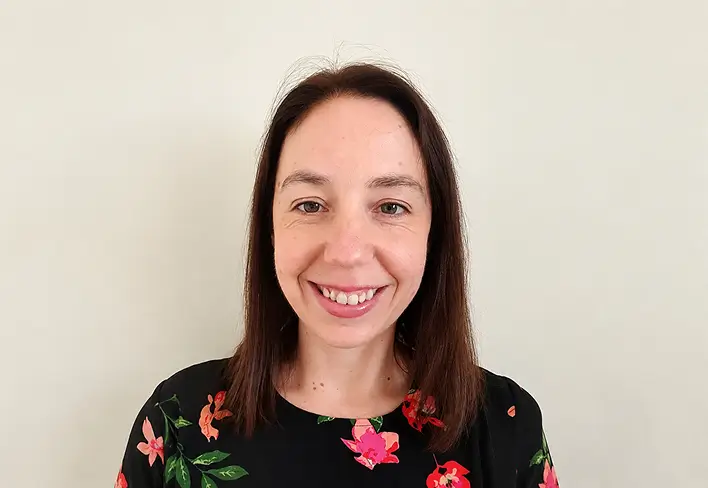
Natalie Szmerling
Clinical Psychologist
- 15+ years of experience
- $250 per 50-min session
- $149.05 back from Medicare for up to 10 sessions a year, with a GP Mental Health Treatment Plan
- Available in-person & online
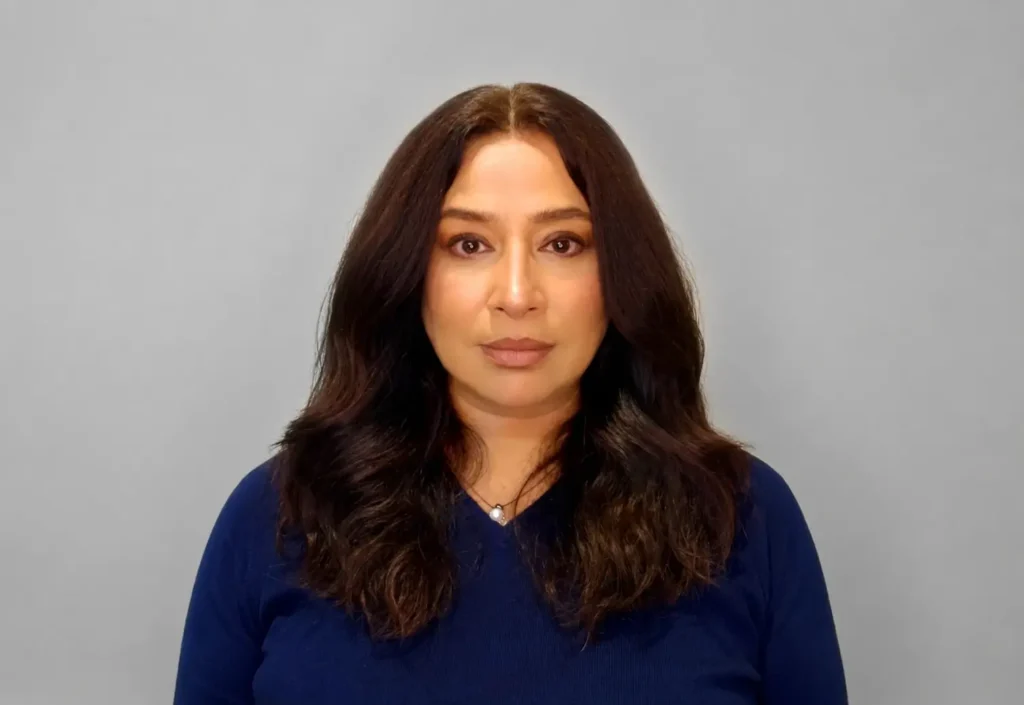
Humaira Ansari
Hypnotherapist, NLP Practitioner, Psychotherapist and Counsellor
- 16 years of experience
- $170 per 50-min session
- Available online
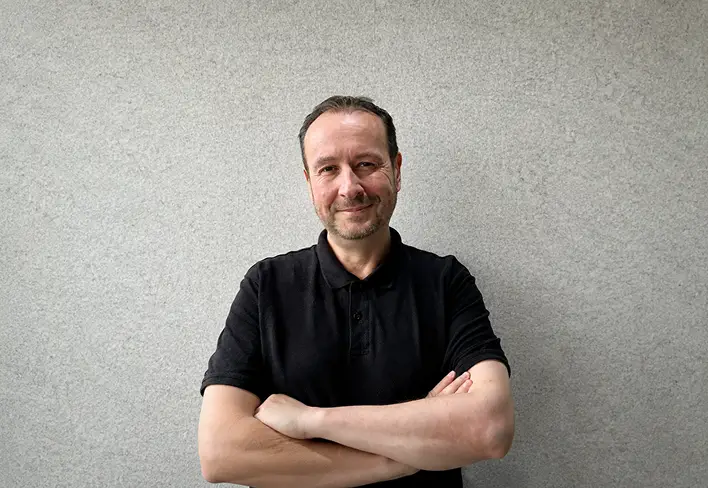
Lawrence Akers
Hypnotherapist & Counsellor
- 10 years of experience
- $170 per 50-min session
- Available in-person & online
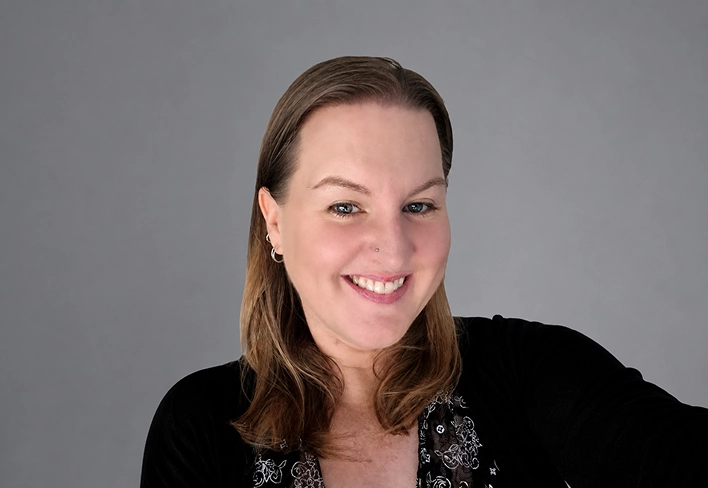
Kelli Tranter
Hypnotherapist & Counsellor
- 10+ years of experience
- $170 per 50-min session
- Available online
What is generalised anxiety disorder (GAD)?
Everyone worries. Worry becomes generalised anxiety disorder when it is hard to control, jumps from one subject to the next and gets in the way of work, sleep or time with people. The subjects are often ordinary: your job, money, your health or your family’s, relationships, even errands and appointments.
Doctors look for worry of this kind that has lasted 6 months or more, together with signs such as restlessness, tiredness, trouble concentrating, irritability, muscle tension and poor sleep. You don’t need to wait 6 months, or to have a diagnosis, before you see someone about it.
Anxiety disorders are common. In the 2020 to 2022 national study, 17.2% of Australians aged 16 to 85 had one in the previous 12 months.
Anxiety that centres on one fear, such as vomiting, may be a specific phobia, and we have a page on emetophobia treatment for that fear.
Signs and symptoms of generalised anxiety
Signs of GAD include:
- Worry about many different things that you can’t control or put aside
- Running through the worst that could happen, as if that will prepare you for it
- Worry that makes work, study or seeing friends harder
- Feeling restless, irritable or on edge
- Trouble concentrating
- Tension in your muscles, jaw or back
- A racing heart or a dry mouth
- Feeling tired, with sleep that is hard to get or doesn’t last
Things people often say
“My mind won’t switch off, even when nothing’s actually wrong.”
“If I stop worrying, it feels like something bad will happen.”
“I lie awake going through everything that could go wrong tomorrow.”
“Everyone tells me to relax. I don’t know how.”
Composite examples drawn from many people, with details changed. They aren’t quotes from individual patients.
When to get help now. If you’re having thoughts of suicide or don’t feel safe, ring Lifeline on 13 11 14 (24 hours) or 000 in an emergency. Beyond Blue’s line, 1300 22 4636, is also open 24/7. See your GP first if the anxiety came on suddenly, if it feels mostly physical and you haven’t had a check-up, or if you want to talk about medication. This practice can’t provide crisis care.
Take the GAD-7 anxiety check
The GAD-7 is seven questions about the last two weeks, a screening questionnaire used in clinical practice and research. Scoring happens in your browser; nothing you tick is stored or sent to us. It won’t tell you whether you have GAD, and it can be a useful starting point for a conversation with your GP or one of our practitioners.
Question 1 of 7
Over the last 2 weeks, how often have you been bothered by the following problems?
- Feeling nervous, anxious or on edge
- Not being able to stop or control worrying
- Worrying too much about different things
- Trouble relaxing
- Being so restless that it is hard to sit still
- Becoming easily annoyed or irritable
- Feeling afraid, as if something awful might happen
Your score
Minimal anxiety. In a 2025 general-population study, 81% of adults scored in this range. If something specific is on your mind, you’re still welcome to talk it through.
Mild anxiety. 14% of adults in the same study scored in this range. Worry at this level can still wear you down, and it’s a reasonable time to look at what keeps it going.
Book a consultationModerate anxiety. 3% of adults in the same study scored in this range. Scores of 10 or more are often used as the point to look further, with your GP or a practitioner.
Book a consultationSevere anxiety. About 1% of adults in the same study scored in this range. A score this high is a reason to talk to your GP or one of our practitioners soon.
Book a consultationSupport day or night: if you’re thinking about suicide, call Lifeline on 13 11 14. Beyond Blue is on 1300 22 4636. In immediate danger, call 000.
Questions from the GAD-7 (Spitzer, Kroenke, Williams and Löwe, 2006), which may be reproduced without permission. Population figures from Kliem and colleagues, 2025, a study of 2,519 adults in Germany. The GAD-7 is a screening tool and doesn’t diagnose generalised anxiety disorder.
What causes generalised anxiety?
GAD usually has more than one cause. Family history, personality, trauma, stressful life events, unhelpful thinking patterns and misuse of alcohol or drugs can all play a part. Anxiety disorders were more common in women (21.1%) than men (13.3%) in the national study, and for about one in three people with GAD it begins in childhood or adolescence.
Worry can also keep itself going. When uncertainty is hard to bear, worrying can feel like a way of preparing for the worst, so it is hard to stop even when it wears you out.
What we think: advice to just stop worrying is hard to follow, and by the time people come to us, many have already tried it. In our experience the worry is often doing a job for you. It can feel like staying ready, keeping people you love safe, or holding off a thought or feeling that is harder to face. The subject tends to change from week to week while the pattern stays the same. In our view it’s worth looking at what the worry protects you from, as well as at ways to turn the volume down, and people often want both.
Is it GAD or another kind of anxiety?
Some patterns look like GAD and are treated a little differently:
- Worry centred on illness, with body checking or searching symptoms online: health anxiety
- Sudden surges of fear with a pounding heart, and dread of the next one: panic attacks
- Fear of being judged or embarrassed around other people: social anxiety
- Intrusive thoughts with rituals or checking to cancel them out: OCD
- Fear of one thing, such as flying, needles or heights: specific phobias
- Low mood and loss of interest alongside the worry: depression
- Pressure that eases once a stressful situation is over: stress
- Lying awake with a busy mind most nights: insomnia
GAD often overlaps with these, and with depression in particular. You don’t have to work out which label fits before you book.
Anxiety treatment options: which approach suits you?
The right approach depends on what you hope to get from therapy and what you’ve tried already, and your first session is partly about sorting that out together. Some people want ways to manage the worry day to day. Others want to understand why it keeps coming back. Many want some of both.
| Approach | What it involves | Who offers it |
|---|---|---|
| Counselling and clinical hypnotherapy | Practical work on the worry itself: what sets it off, what happens in your body and what you do next. Hypnotherapy adds a deeply relaxed, absorbed state in which to practise responding to worry differently, often in the same session as counselling. Lawrence Akers also uses ACT and CBT. Usually 6 to 20 sessions here, and it varies. | Carolina Rosa (AACHP; Hypnotherapy Council of Australia register); Bernadette Cameron (AACHP); Sara Herring (AACHP Vice President; Hypnotherapy Council of Australia), video only; Kelli Tranter (AACHP; Hypnotherapy Council of Australia), video only; Lawrence Akers (GoAH); Humaira Ansari (AHA clinical member), who also practises psychotherapy, video only |
| Psychoanalytic psychotherapy | Looks at what the worry is attached to: the conflicts and patterns underneath it, including ones you may not be aware of. There’s no fixed number of sessions, and the work often goes on for months or years. | Adam Szmerling, PACFA Registered Clinical Psychotherapist and AASW Accredited Mental Health Social Worker |
| Clinical psychology | Structured therapy for adults using CBT, DBT, schema therapy and a trauma-informed approach, usually with some practice between sessions. Usually 6 to 20 sessions here, and it varies. | Natalie Szmerling, clinical psychologist registered with AHPRA; Australian Psychological Society member |
What the research says. CBT has the strongest research base for GAD. A 2024 review of 66 trials found CBT was the only therapy still clearly ahead of usual care 3 to 12 months after treatment ended, and newer CBT-based therapies such as ACT helped in the short term. In a trial comparing the two, psychodynamic therapy and CBT both reduced anxiety, and CBT did better on worry. A 2019 review of 17 trials found hypnosis reduced anxiety, more so when combined with other psychological therapy; it covered anxiety in general, so the evidence for GAD in particular is thinner.
Our practitioners also refer to one another. If what you’re doing isn’t helping, you can talk about trying a colleague whose way of working is different.
Hypnotherapy for anxiety in Melbourne
Carolina Rosa, Bernadette Cameron and Lawrence Akers offer hypnotherapy for anxiety in our Highett rooms and online. Sara Herring, Humaira Ansari and Kelli Tranter offer it by video only, and Kelli talks with everyone by phone or email before a first session.
In a session your hypnotherapist helps you settle into a calm, absorbed state, then works with the worry and your body’s response to it, usually alongside counselling. You can talk with them beforehand about what happens and what you’d like to work on.
Each hypnotherapy session is $170 and has no Medicare rebate. If you have extras cover, your fund may pay something towards sessions with Lawrence Akers (a GoAH member) or Humaira Ansari (an AHA member), so it’s worth asking your fund first.
Need a psychiatrist or medication for anxiety?
Please note that medication can at times be an essential component of anxiety treatment; however, the clinicians at Bayside Psychotherapy cannot prescribe or provide specific advice about medication. These discussions are best held with your GP or psychiatrist.
We are a private outpatient practice and don’t provide crisis care, so please don’t book with us, and talk to your GP or one of the services below, if:
- you have urges to harm yourself or someone else
- you are having psychotic symptoms
- you have used methamphetamines in the last 28 days
- family violence or coercive control is part of what’s happening at home
- a child protection or Family Court matter is involved
- you are under 18 (call reception first, as only some of our practitioners see younger people)
Free help:
- Medicare Mental Health Check In: free CBT-based support by phone or video for stress, mild anxiety and worry, with no referral needed, on 1800 595 212
- MindSpot: free online assessment and courses for Australian adults with anxiety, stress or depression
- Beyond Blue: 1300 22 4636, 24/7
When you’re ready, you can book online. Not sure who to choose? Answer a few short questions and we’ll suggest practitioners to consider.
What to expect at your first session for anxiety
Booking is online or by phone with reception, and the session fee is paid at that point, securely through PayPal. An intake form comes next, to complete before your first appointment.
Your first session is a conversation. Your practitioner asks what’s been happening, how long the worry has been around and what you’ve already tried. If you’ve had therapy before, tell them what was useful and what wasn’t. After a session or two you’ll have a clearer sense of whether this practitioner and approach suit you.
Work on anxiety with Natalie, a counsellor or a hypnotherapist here typically takes between 6 and 20 sessions, and everyone’s number is different. Adam’s psychoanalytic work isn’t limited to a set number of sessions and can take months or years.
Whether video sessions suit you is something you and your practitioner talk about in the first sessions. Online sessions run on Zoom, Doxy.me or by phone.
Need to change a time? Contact reception or your practitioner at least 3 business days ahead.
Coming to our Highett rooms
We are at 8/539 Highett Road, Highett, in Melbourne’s south-east, with free parking at the front and in the rear car park. The rooms don’t have a wheelchair-accessible toilet, an accessible car park or a hearing loop, so if that affects you, video sessions may suit you better. Directions are at the bottom of this page.
Fees and Medicare rebates for anxiety therapy
Every session is 50 minutes and paid in full when you book, securely through PayPal. If you are eligible for a rebate, you claim it afterwards. Bulk billing isn’t available, and sessions are booked and paid one at a time.
Counselling, hypnotherapy or psychotherapy with Carolina, Bernadette, Sara, Humaira, Lawrence or Kelli: $170. Medicare doesn’t rebate these sessions.
Adam Szmerling (psychoanalytic psychotherapy): $200. With a GP Mental Health Treatment Plan, your Medicare rebate is $89.50 (item 80160 in the rooms, 91176 by video, 91188 by phone), which brings your cost to $110.50.
Natalie Szmerling (clinical psychology): $250. The same plan covers her sessions, with $149.05 back (item 80010 in the rooms, 91167 by video, 91182 by phone), so each costs you $100.95.
A Mental Health Treatment Plan covers up to 10 individual sessions a calendar year. From 1 November 2025, only your usual GP, or a GP at the practice where you’re enrolled in MyMedicare can write the plan and referral. The rebate is the same in the rooms, by video or by phone.
No Medicare rebate applies to hypnotherapy, though some extras policies contribute when the hypnotherapist belongs to the AHA or GoAH.
Using NDIS funding? Some of our therapists may be able to see you for anxiety when your NDIS funds are self-managed or plan-managed, case by case. We aren’t a registered NDIS provider, so agency-managed plans can’t be used. Call reception on (03) 9557 9113 before booking, since a service agreement comes before the first session.
If cost is the barrier, the free services listed above are a good place to start.
If your partner or a family member has anxiety
Living with someone who worries a great deal can be tiring, especially if you’re often asked for reassurance. A session just for you, about the toll it’s taking, is an option too.
If anxiety is straining your relationship, couples sessions are with Adam, Bernadette or Humaira (see couples counselling), cost $200 for 50 minutes and have no Medicare rebate. Couples work is generally with a different practitioner from the one either of you sees on your own. Now and then a partner attends one or two of someone’s individual sessions to offer support.
We don’t offer couples work where there is family violence or coercive control, or where a Family Court or child protection matter is involved.
Beyond Blue has information for family and friends supporting someone with anxiety.
Questions about anxiety treatment
What kind of therapist should I see for anxiety?
Any of our eight practitioners can see you for anxiety, and the difference is in how they work. Our counsellors and hypnotherapists work mostly on managing the worry. Natalie Szmerling, our clinical psychologist, uses CBT, DBT and schema therapy. Adam Szmerling’s psychoanalytic psychotherapy looks at where the worry comes from. You don’t need to see a psychologist to work on anxiety. For a Medicare rebate you would see Adam ($200 a session) or Natalie ($250), with a GP Mental Health Treatment Plan.
Who can diagnose generalised anxiety disorder?
Your GP can assess you, often with a questionnaire, and can refer you to a psychologist or psychiatrist. Here, Natalie Szmerling is the psychologist. You don’t need a diagnosis to book with any of our practitioners, since the first session looks at what’s going on for you whatever it’s called. You can also take your GAD-7 score from the check above to your GP.
Is anxiety counselling confidential?
Yes, within limits set by law and professional codes. Your practitioner may need to share information if there is a serious risk to you or someone else, or if a court orders it. If you have a Mental Health Treatment Plan with Adam or Natalie, they keep your referring GP updated. Some practitioners use an AI note-taking tool, only with your consent, which you can withdraw at any time. Our privacy policy has the details.
I’ve had therapy for anxiety before. Is it worth trying again?
Many people who see us have had therapy before. Your practitioner will want to hear, in your words, what helped last time and what fell short, and the work starts from there. A different approach may suit you this time, or the same kind of therapy may go further once the harder things are said out loud. Whether it’s worth continuing is something you can judge after a session or two.
Can anxiety feel worse before it feels better in therapy?
It can. Feeling better and getting better aren’t always the same thing. Some people notice a difference early on. Others find the anxiety rises for a while when they start looking at what sits underneath it. If that happens, tell your practitioner, so you can adjust the pace together.
Can I have sessions for anxiety online?
Yes. All eight of our practitioners see people by video, on Zoom or Doxy.me, anywhere in Australia, and Sara Herring, Humaira Ansari and Kelli Tranter work online only. Fees don’t change for video, and Adam’s ($200) and Natalie’s ($250) Medicare rebates apply online as well. Whether video suits you is discussed in the first sessions. If you live overseas, email us before booking, as we see people overseas case by case.
Do you see teenagers with anxiety?
Mostly we see adults. Carolina Rosa, Humaira Ansari and Kelli Tranter work with some younger clients, case by case, so please call reception on (03) 9557 9113 first. Natalie Szmerling works with adults only. headspace offers free online and phone support for young people on 1800 650 890.
More on anxiety, and further reading
Other pages you may find useful:
- All the anxiety conditions we treat
- Psychotherapy and counselling
- Hypnotherapy in Melbourne
- Online counselling and therapy
Our general anxiety self-hypnosis recording is for use at home between sessions. It isn’t a replacement for therapy.
Talk to a therapist about anxiety
Book online today, or whenever you’re ready.
Change depends mostly on you, and on your readiness to explore the worry: what keeps it going and what it might be protecting. If you’re open to that, a first session is a good place to start. Book a time in Highett or by video and pay through PayPal. PayPal handles your card details, so you don’t give them to us directly.
For help deciding who to see, call reception on (03) 9557 9113 from 8:30am to 5:30pm on weekdays.
Directions to anxiety counselling in Highett
8/539 Highett Road, Highett VIC 3190. Suite 8 has our name on its glass door.
Get directions in Google MapsNote: This information is informative only and is not to be used for diagnosis or substitution of appropriate assessment and/or treatment by your GP or another qualified health professional. We take care to keep our information accurate and up to date, but it may contain errors or omissions. To the extent the law allows, we’re not responsible for loss caused by relying on it, as explained in our Website Disclaimer.
If you are in immediate danger call 000. Lifeline 13 11 14 is available 24/7. Beyond Blue’s support line, 1300 22 4636, is open 24/7.