

Compulsive Lying
Compulsive Lying Therapy in Melbourne & Online
Concerned about compulsive lying, or a pattern of dishonesty that’s affecting your relationships?
Our therapists offer compulsive lying therapy in Melbourne and online, providing a supportive space to explore recurring lying behaviours, emotional factors, and their impact on trust and connection.
Therapists for compulsive lying

Adam Szmerling
Psychoanalytic Psychotherapist

- 20+ years of experience
- $200 per 50-min session
 Rebate with a valid MHCP
- Available in-person & online
Start Your Therapy Journey Today. Choose Online or In-Clinic Above

Carolina Rosa
Counsellor & Hypnotherapist
- 15+ years of experience
- $170 per 50-min session (Individuals)
- Available in-person & online
Start Your Therapy Journey Today. Choose Online or In-Clinic Above

Bernadette Cameron
Hypnotherapist, Counsellor, NLP Master Practitioner
- 5+ years of experience
- $170-$200 per 50-min session
- Available in-person & online
Start Your Therapy Journey Today. Choose Online or In-Clinic Above

Sara Herring
Clinical Hypnotherapist and Counsellor, Melbourne
- 20+ years of experience
- $170 per 50-min session
- Available online
Start Your Therapy Journey Today. Choose Online or In-Clinic Above

Humaira Ansari
Hypnotherapist, NLP Practitioner, Psychotherapist and Counsellor
- 16 years of experience
- $170-$200 per 50-min session
- Available online
Start Your Therapy Journey Today. Choose Online or In-Clinic Above
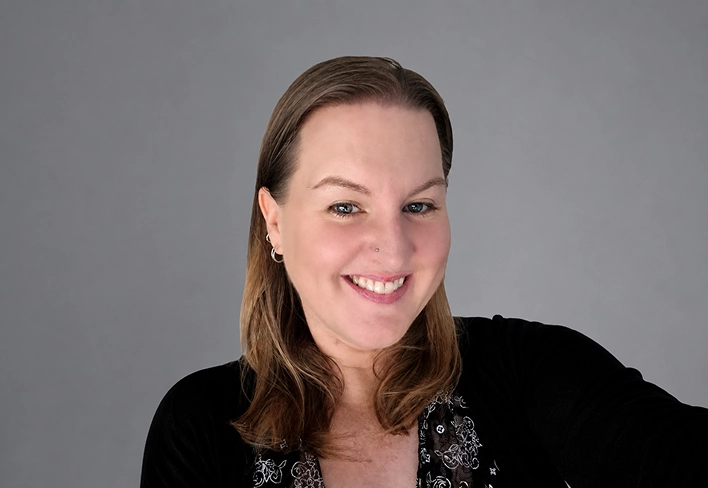
Kelli Tranter
Hypnotherapist & Counsellor
- 10+ years of experience
- $170 per 50-min session
- Available online
Start Your Therapy Journey Today. Choose Online or In-Clinic Above
Can a Compulsive Liar Change?
We understand how sensitive this journey can be. Your privacy is our priority. Whether online or in Melbourne, we build a confidential, supportive space without judgment or shame.
Common Signs of Compulsive Lying
You may benefit from professional support if you:
• Lie automatically, even when the truth would be easier.
• Exaggerate achievements, experiences, or problems.
• Feel anxious, guilty, or ashamed after lying.
• Hide information to avoid conflict or criticism.
• Find it difficult to stop lying despite negative consequences.
• Have experienced relationship breakdowns due to dishonesty.
• Feel disconnected from your authentic self.
Recognising Symptoms of Compulsive Lying
Compulsive Lying vs Pathological Lying
Compulsive lying involves repeated lying that can feel difficult to control, even when there is little obvious benefit. It may become an ingrained habit that damages relationships and causes guilt or anxiety.
Pathological lying describes persistent, excessive or habitual lying. The term is sometimes used interchangeably with compulsive lying, but it is not a universally recognised standalone mental health diagnosis.
Avoidance-based lying happens when someone lies to escape something uncomfortable, such as conflict, criticism, embarrassment, rejection or emotional vulnerability. The lie may provide short-term relief but reinforce the pattern over time.
Lying associated with other difficulties can occur alongside anxiety, trauma, emotional regulation problems or personality-related difficulties. In these cases, understanding the broader psychological pattern is important.
These patterns can overlap. Therapy aims to identify why you lie, what triggers it, and how to develop healthier ways of relating.
We’re here to make the process as comfortable and safe as possible. We empathically challenge you to work through destructive patterns towards authentic change.
What Causes Compulsive Lying?
Research and clinical experience suggest that repeated dishonesty can develop for many different reasons, including:
• Avoiding punishment or criticism during childhood.
• Fear of rejection or abandonment.
• Low self-esteem and feelings of inadequacy.
• Trauma or adverse childhood experiences.
• Anxiety and social anxiety.
• Difficulty expressing needs directly.
• People-pleasing tendencies.
• Attempts to manage shame or emotional vulnerability.
Over time, lying may become an automatic coping strategy rather than a conscious choice.
Ready to gain confidence and build trust?
Dealing With Lying In A Relationship
How Lying Hurts
- Damages Trust: Friends, family, and colleagues struggle to believe you, leading to broken bonds.
- Blocks Connection: Compulsive lying blocks real intimacy and authentic relationships.
- Causes Stress and Guilt: Keeping track of lies is exhausting and can create anxiety, guilt, and loneliness.
- Hinders Growth: Avoiding uncomfortable truths may feel safe, but it stops personal growth.
Therapy can help you break this cycle, rebuild trust, and feel more at ease with yourself and others.
Deep intimacy requires trust. Friendships require trust. Fruitful working relationships require trust. Without trust, everything you say is called into question and every important person in your life feels betrayed and uncertain about your true intentions and feelings.
There’s also some evidence indicating that this condition creates personal distress even when the liar ‘gets away with it’. It can make it harder to connect with other people and feel empathy.
Plus there’s the constant anxiety about getting caught in a lie. The pressure to remember your lies, and to manage the snowball effect of covering up lies with more lies, can lead you to feel guilty, fake, worthless and powerless to change.
But it doesn’t have to be this way. Unravelling the interior tangle of trauma and denial and ingrained behaviour can be tricky on your own. But you can get help to address your compulsive lying and set your life back on track. And the earlier you start, the better.
How Therapy Helps With Compulsive Lying
Therapy focuses on understanding the function that dishonesty serves in your life.
Rather than simply trying to stop lying through willpower, therapy explores:
• What situations trigger dishonest behaviour.
• What emotions the lying is helping you avoid.
• How the behaviour developed.
• How dishonesty affects relationships.
• Alternative ways to manage vulnerability and conflict.
Depending on your needs, treatment may include psychotherapy, counselling, schema therapy, mindfulness-based approaches, or hypnotherapy.

What to Expect from Compulsive Liar Therapy at Bayside Psychotherapy
We offer online and in-clinic counselling, psychotherapy or hypnotherapy.

Bayside Psychotherapy offers a comprehensive approach to compulsive lying, providing both online and in-clinic options for counselling, psychotherapy, or hypnotherapy. Our priority is to foster a space that is safe, supportive, and free from judgement or shame. Understanding that compulsive lying requires professional treatment, we approach each case with a blend of objective insight and deep empathy for the challenges and discomforts brought on by compulsive lying.
Read More
During your initial session, you’ll have the opportunity to share your experiences confidentially, pose questions, and assess whether our practitioner aligns with your needs. This meeting is crucial for laying the groundwork for your therapy, offering us valuable insights into your specific circumstances, and establishing your goals for treatment and whether there is a fit.
If both yourself and the therapist working with you choose to continue, we will collaborate with you to design a personalised treatment strategy. Our approach might include short-term interventions like hypnotherapy to address and modify ingrained patterns of thought and behaviour. However, recognising the uniqueness of each individual’s journey, we might also suggest therapies such as psychotherapy, mindfulness therapy, cognitive-behavioural therapy (CBT), or neuro-linguistic programming (NLP), depending on which therapist you work with and what suits your specific requirements best.
Our goal transcends beyond merely treating the symptoms of compulsive lying; we are committed to assisting you in uncovering the root causes of your compulsive liar disorder. By doing so, we aim to empower you to lead a life that is not just free from compulsive lying but is also more rewarding, fulfilling, and authentic.
Understanding the Roots of Compulsive Lying
Compulsive lying often originates in childhood, serving as a defence mechanism against feelings of inadequacy, shame or anxiety. Growing up in environments where expressing certain emotions or thoughts was discouraged can foster a habit of dishonesty. At times, the origins of compulsive lying may be complex and not immediately apparent.
For many, compulsive lying becomes a means to sidestep conflicts, yet ironically, it invites new problems. Some individuals, deep down, feel their authentic selves aren’t worthy, leading them to seek approval through falsehoods. Others may use lying as a way to create emotional distance from people they perceive as overbearing or controlling.
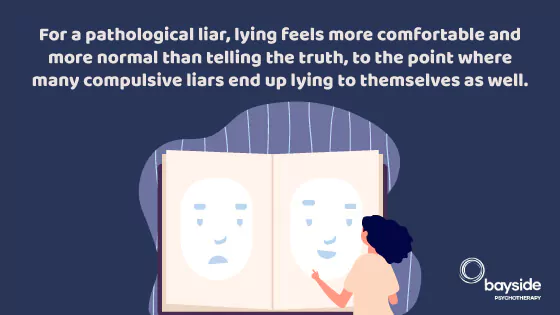
Regardless of the initial cause, lying can transform into a compulsive behaviour, feeling more natural than truth-telling. This cycle can become so entrenched that individuals start deceiving themselves, making compulsive lying a pervasive aspect of their lives.
Without the intervention of therapy focused on compulsive lying disorder, this pattern can persist indefinitely, hampering one’s ability to form genuine and trusting relationships.
Transforming the cycle of compulsive lying into a narrative of growth and authenticity requires courage, self-reflection, and professional guidance. If you’re ready to address compulsive lying and rediscover your truth, consider reaching out for professional support tailored to your journey.
Will therapy work for my compulsive lying?
Compulsive lying often serves as a way to avoid uncomfortable truths and emotions. It’s natural to feel hesitant about starting therapy, especially if you’re unsure whether it will work for you. This hesitation is completely understandable—facing your thoughts, feelings, and behaviours can be daunting.
However, avoiding these emotions can keep you trapped in the cycle of lying and prevent genuine change. Our therapists, with extensive experience in treating compulsive lying, understand your fears and are here to provide a safe, non-judgmental space where you can confront and overcome these challenges. With our support and empathy, you can work through discomfort and make meaningful, lasting changes.

How Long Will Compulsive Liar Therapy Take?
Many clients begin to notice positive shifts within the first few sessions, which can be incredibly encouraging. However, lasting honest consistency often requires a deeper commitment to insight-oriented psychotherapy. This kind of therapy is about more than just quick fixes; it’s about uncovering and addressing the underlying causes of compulsive lying, leading to meaningful and enduring change.
In your initial sessions, we’ll work together to determine the best approach for your unique needs. Whether it’s through psychotherapy, hypnotherapy, or supportive counselling, our goal is to empower you to take back control of your life and live more authentically, one step at a time. If you’re unsure which therapist or therapy type is right for you, our short quiz can help you find your perfect match.
While early improvements are possible, it’s important to remember that therapy is a journey, not a quick-fix. We’re here to help you dig deep, uncover the root causes of your behaviours, and guide you towards a more satisfying, fulfilling, and authentic life.
We’re committed to walking this path with you, providing support at every turn. But for therapy to truly work, your commitment is essential. Every individual’s journey is different, and your success will largely depend on your willingness to engage fully in the process.
Is it time to work on you and commit to compulsive liar treatment?

Still searching for a recommended therapist for lying help?

Read More
Explore Our Range of Therapy Solutions
At Bayside Psychotherapy, we are dedicated to providing a diverse array of therapy solutions tailored to meet the unique needs of our clients across Australia. Whether you are seeking support from the comfort of your home or prefer the traditional in-clinic experience, our range of services can accommodate your preferences and lifestyle.
- Online Therapy in Australia: Embrace the flexibility and convenience of receiving therapy wherever you are with our online therapy in Australia. Our secure and confidential online platform ensures you have access to high-quality therapy, offering a pathway to healing and growth without geographical constraints.
- Generalised Anxiety Disorder Treatment: If you find yourself persistently worried about various aspects of everyday life, our generalised anxiety disorder treatment can help.
- Couples Counselling: Navigating the complexities of a relationship can feel overwhelming, especially when communication breaks down or trust is strained. Our couples counselling services offer tailored approaches aimed to address your concerns, fostering understanding and intimacy. We help guide you through challenges, aimed to build a stronger, more harmonious partnership.
At Bayside Psychotherapy, our goal is to offer effective, personalised therapy solutions that support your journey towards healing and personal growth. Discover the path to a more balanced and fulfilling life with our comprehensive compulsive lying therapy services.
Frequently Asked Questions
How much does compulsive lying therapy cost at Bayside?
What causes compulsive lying?
How does therapy help with compulsive lying?
Can hypnotherapy stop compulsive lying?
What are some common compulsive lying behaviours or tactics?
Compulsive lying can show up in lots of ways. But here are some patterns we see a lot:
- Lying to avoid an argument or uncomfortable feelings.
- Making up stories to seem more likeable or get sympathy.
- Lying out of habit, even when there’s no real reason.
- Believing your own stories (blurring the line between lie and reality).
- Playing the hero or the victim.
- Lying to hide something (like cheating, addiction or fear).
- Telling detailed, over-the-top stories that don’t quite add up.
These patterns aren’t always about manipulation. Often, they’re a way of coping – even if they’re no longer working.
Can relationships recover after compulsive lying?
What if I can't stop lying even during therapy?
How can I support a loved one with compulsive lying?
It’s not easy, especially when the person doesn’t want to change. It is more complex when you’re not sure what’s real and what’s not.
Here are a few ways to support someone you care about:
Stay calm and assertive;
- Encourage therapy (without blaming or shaming).
- Set healthy boundaries around communication and trust.
- Let them know you care about them, not their stories.
- Don’t try to force change (that part has to come from them).
Your wellbeing matters too. Sometimes supporting someone means protecting your own emotional space.
Choose online or in person

Online appointment
Therapists who do online
- - Adam Szmerling
- - Carolina Rosa
- - Kelli Tranter
- - Lawrence Akers
- - Humaira Ansari
- - Natalie Szmerling
- - Sara Herring
- - Bernadette Cameron
Therapists who do online
- - Adam Szmerling
- - Carolina Rosa
- - Kelli Tranter
- - Lawrence Akers
- - Humaira Ansari
- - Natalie Szmerling
- - Sara Herring
- - Bernadette Cameron

In person, clinic session
Therapists who do online
- - Adam Szmerling
- - Natalie Szmerling
- - Lawrence Akers
- - Carolina Rosa
- - Sara Herring
- - Bernadette Cameron
Therapists who do online
- - Adam Szmerling
- - Natalie Szmerling
- - Lawrence Akers
- - Carolina Rosa
- - Sara Herring
- - Bernadette Cameron
Start Your Therapy Journey Today. Choose Online or In-Clinic Above
I want an…

Therapists who do online
- - Adam Szmerling
- - Carolina Rosa
- - Kelli Tranter
- - Lawrence Akers
- - Humaira Ansari
- - Natalie Szmerling
- - Sara Herring
- - Bernadette Cameron
Therapists who do online
- - Adam Szmerling
- - Carolina Rosa
- - Kelli Tranter
- - Lawrence Akers
- - Humaira Ansari
- - Natalie Szmerling
- - Sara Herring
- - Bernadette Cameron

Therapists who do online
- - Adam Szmerling
- - Natalie Szmerling
- - Lawrence Akers
- - Carolina Rosa
- - Sara Herring
- - Bernadette Cameron
Therapists who do online
- - Adam Szmerling
- - Natalie Szmerling
- - Lawrence Akers
- - Carolina Rosa
- - Sara Herring
- - Bernadette Cameron
Start Your Therapy Journey Today. Choose Online or In-Clinic Above
I want an…
Therapists who do online
- - Adam Szmerling
- - Carolina Rosa
- - Kelli Tranter
- - Lawrence Akers
- - Humaira Ansari
- - Natalie Szmerling
- - Sara Herring
- - Bernadette Cameron
Therapists who do online
- - Adam Szmerling
- - Carolina Rosa
- - Kelli Tranter
- - Lawrence Akers
- - Humaira Ansari
- - Natalie Szmerling
- - Sara Herring
- - Bernadette Cameron
Therapists who do online
- - Adam Szmerling
- - Natalie Szmerling
- - Lawrence Akers
- - Carolina Rosa
- - Sara Herring
- - Bernadette Cameron
Therapists who do online
- - Adam Szmerling
- - Natalie Szmerling
- - Lawrence Akers
- - Carolina Rosa
- - Sara Herring
- - Bernadette Cameron
Start Your Therapy Journey Today. Choose Online or In-Clinic Above
I want an…
Therapists who do online
- - Adam Szmerling
- - Carolina Rosa
- - Kelli Tranter
- - Lawrence Akers
- - Humaira Ansari
- - Natalie Szmerling
- - Sara Herring
- - Bernadette Cameron
Start Your Therapy Journey Today. Choose Online Sessions
I want an…
Therapists who do online
- - Adam Szmerling
- - Carolina Rosa
- - Kelli Tranter
- - Lawrence Akers
- - Humaira Ansari
- - Natalie Szmerling
- - Sara Herring
- - Bernadette Cameron
Start Your Therapy Journey Today. Choose Online Sessions
I want an…
Therapists who do online
- - Adam Szmerling
- - Carolina Rosa
- - Kelli Tranter
- - Lawrence Akers
- - Humaira Ansari
- - Natalie Szmerling
- - Sara Herring
- - Bernadette Cameron
Therapists who do online
- - Adam Szmerling
- - Carolina Rosa
- - Kelli Tranter
- - Lawrence Akers
- - Humaira Ansari
- - Natalie Szmerling
- - Sara Herring
- - Bernadette Cameron
Therapists who do online
- - Adam Szmerling
- - Natalie Szmerling
- - Lawrence Akers
- - Carolina Rosa
- - Sara Herring
- - Bernadette Cameron
Therapists who do online
- - Adam Szmerling
- - Natalie Szmerling
- - Lawrence Akers
- - Carolina Rosa
- - Sara Herring
- - Bernadette Cameron
Start Your Therapy Journey Today. Choose Online or In-Clinic Above
I want an…
Therapists who do online
- - Adam Szmerling
- - Carolina Rosa
- - Kelli Tranter
- - Lawrence Akers
- - Humaira Ansari
- - Natalie Szmerling
- - Sara Herring
- - Bernadette Cameron
Therapists who do online
- - Adam Szmerling
- - Carolina Rosa
- - Kelli Tranter
- - Lawrence Akers
- - Humaira Ansari
- - Natalie Szmerling
- - Sara Herring
- - Bernadette Cameron
Therapists who do online
- - Adam Szmerling
- - Natalie Szmerling
- - Lawrence Akers
- - Carolina Rosa
- - Sara Herring
- - Bernadette Cameron
Therapists who do online
- - Adam Szmerling
- - Natalie Szmerling
- - Lawrence Akers
- - Carolina Rosa
- - Sara Herring
- - Bernadette Cameron
Start Your Therapy Journey Today. Choose Online or In-Clinic Above
I want an…
Therapists who do online
- - Adam Szmerling
- - Carolina Rosa
- - Kelli Tranter
- - Lawrence Akers
- - Humaira Ansari
- - Natalie Szmerling
- - Sara Herring
- - Bernadette Cameron
Start Your Therapy Journey Today. Choose Online Sessions
I want an…
Start Your Therapy Journey Today. Choose Online or In-Clinic Above
I want an…
Therapists who do online
- - Adam Szmerling
- - Carolina Rosa
- - Kelli Tranter
- - Lawrence Akers
- - Humaira Ansari
- - Natalie Szmerling
- - Sara Herring
- - Bernadette Cameron
Start Your Therapy Journey Today. Choose Online Sessions
I want an…
Therapists who do online
- - Adam Szmerling
- - Carolina Rosa
- - Kelli Tranter
- - Lawrence Akers
- - Humaira Ansari
- - Natalie Szmerling
- - Sara Herring
- - Bernadette Cameron
Therapists who do online
- - Adam Szmerling
- - Carolina Rosa
- - Kelli Tranter
- - Lawrence Akers
- - Humaira Ansari
- - Natalie Szmerling
- - Sara Herring
- - Bernadette Cameron
Therapists who do online
- - Adam Szmerling
- - Natalie Szmerling
- - Lawrence Akers
- - Carolina Rosa
- - Sara Herring
- - Bernadette Cameron
Therapists who do online
- - Adam Szmerling
- - Natalie Szmerling
- - Lawrence Akers
- - Carolina Rosa
- - Sara Herring
- - Bernadette Cameron
Start Your Therapy Journey Today. Choose Online or In-Clinic Above