
Counselling, psychotherapy and hypnotherapy
Psychotherapy & Counselling Melbourne: In Clinic or Online

Reviewed for accuracy by Adam Szmerling on Accredited Mental Health Social Worker (AASW) and PACFA Registered Clinical Psychotherapist
Something keeps getting in the way? Anxiety, low mood, a habit or a pattern in your relationships. Our eight therapists work in different ways, so you can choose the approach that suits you.
- In Highett or online: 50-minute sessions.
- Evenings and Saturdays: times vary by therapist.
- $170 to $250 per session: no referral needed. See fees below.
On this page: Who to see · Compare approaches · Check how you feel · How it works · Fees · Location · When we can’t help · FAQs
What is the difference between psychotherapy and counselling?
Psychotherapy and counselling are both talk therapies. You meet a trained therapist regularly, in private, to talk about what is troubling you.
Counselling usually works on a current problem and practical ways through it. Psychotherapy tends to go further, looking at the patterns and inner conflicts that keep a problem coming back. In practice the two overlap. Six of our therapists also use hypnotherapy, and our clinical psychologist uses approaches such as CBT and DBT.
You don’t need a diagnosis to book. More than two in five Australians aged 16 to 85 have had a mental disorder at some point in their life, and plenty of people come to us with problems that don’t fit a label at all.
Which therapist is right for you?
Our therapists work in different ways. Some focus on the here and now and on practical change. Others help you understand why a problem keeps coming back. Finding the right fit matters: a 2018 review of 295 psychotherapy studies, covering more than 30,000 people, found that a stronger relationship between client and therapist was consistently linked with better outcomes. If you’re not sure where to start, reception or our therapist finder can help you choose.

Adam Szmerling
Psychoanalytic Psychotherapist
- 20+ years of experience
- $200 per 50-min session
- $89.50 back from Medicare for up to 10 sessions a year, with a GP Mental Health Treatment Plan
- Available in-person & online


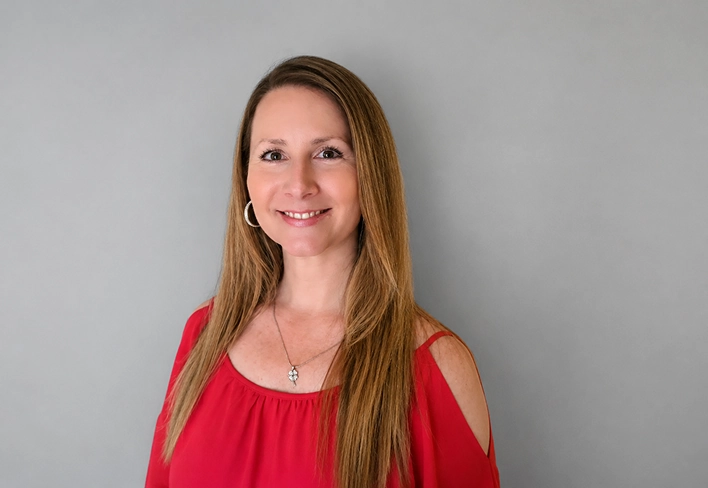
Carolina Rosa
Counsellor & Hypnotherapist
- 10+ years of experience
- $170 per 50-min session
- Available in-person & online

Bernadette Cameron
Hypnotherapist, Counsellor, NLP Master Practitioner
- 5+ years of experience
- $170 to $200 per 50-min session
- Available in-person & online
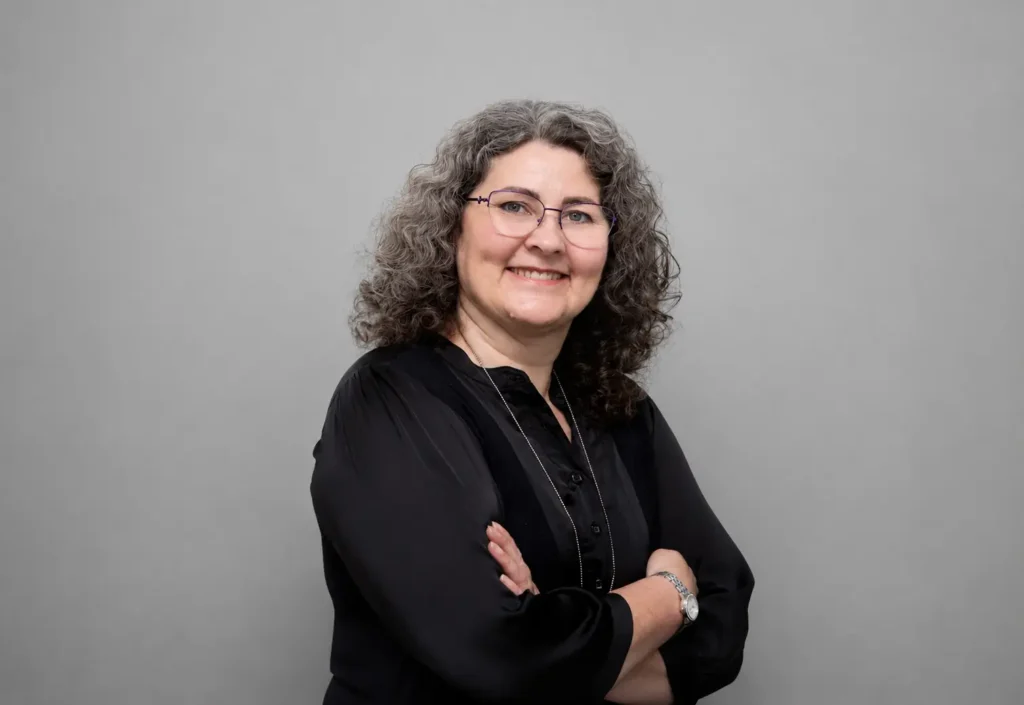
Sara Herring
Clinical Hypnotherapist & Counsellor
- 20+ years of experience
- $170 per 50-min session
- Available online
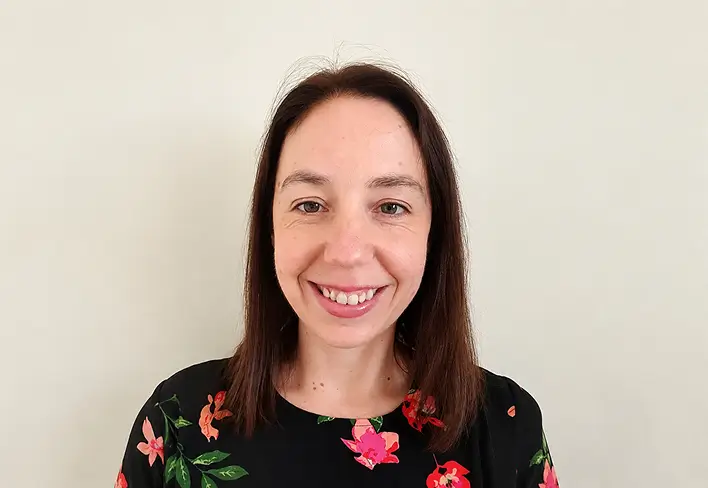
Natalie Szmerling
Clinical Psychologist
- 15+ years of experience
- $250 per 50-min session
- $149.05 back from Medicare for up to 10 sessions a year, with a GP Mental Health Treatment Plan
- Available in-person & online
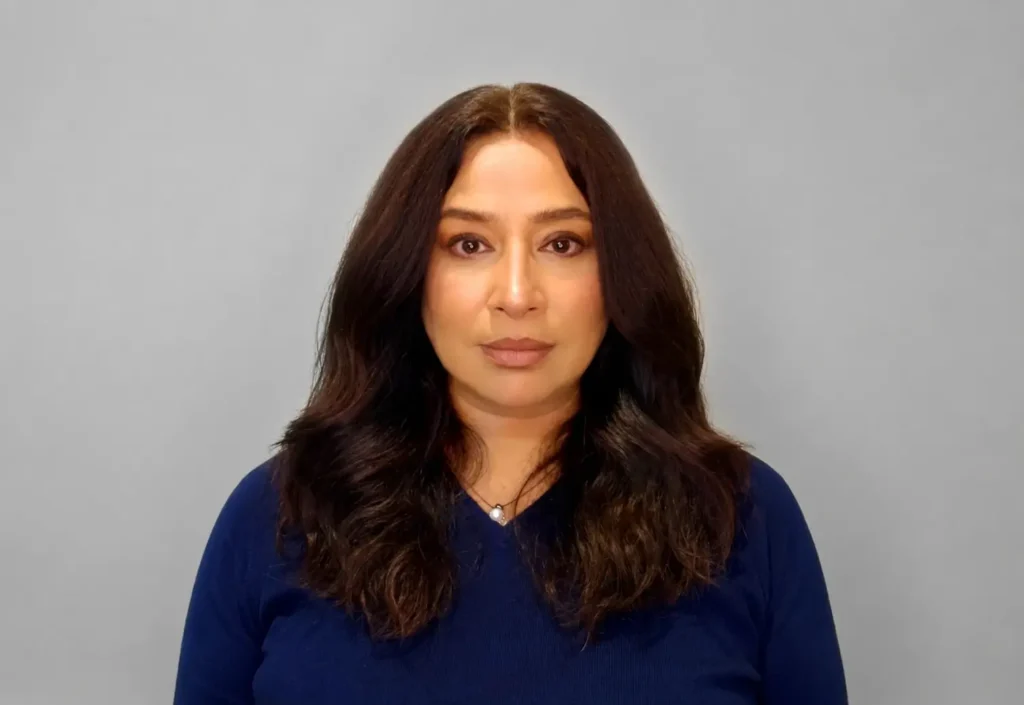
Humaira Ansari
Hypnotherapist, NLP Practitioner, Psychotherapist and Counsellor
- 16 years of experience
- $170 to $200 per 50-min session
- Available online

Lawrence Akers
Hypnotherapist & Counsellor
- 10 years of experience
- $170 per 50-min session
- Available in-person & online
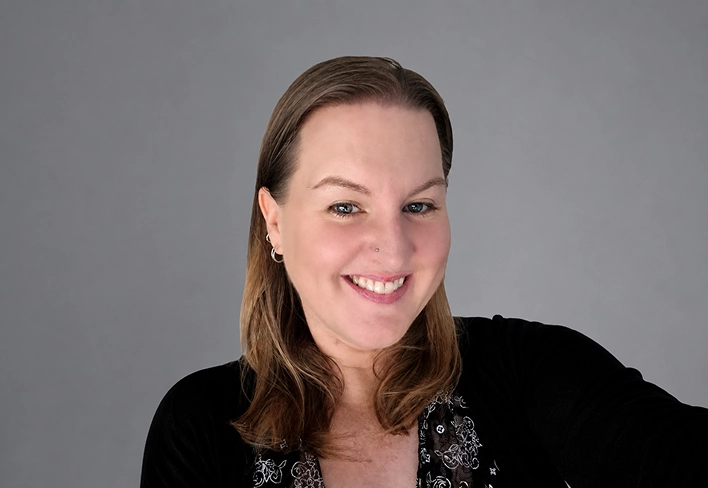
Kelli Tranter
Hypnotherapist & Counsellor
- 10+ years of experience
- $170 per 50-min session
- Available online
Compare the three ways we work
Swipe sideways to compare all three →
| Psychoanalytic psychotherapy | Clinical psychology | Counselling and hypnotherapy | |
|---|---|---|---|
| Therapist | Adam Szmerling | Natalie Szmerling | Carolina Rosa, Bernadette Cameron, Sara Herring, Humaira Ansari, Lawrence Akers, Kelli Tranter |
| Qualifications and registration | Accredited Mental Health Social Worker (AASW). PACFA Registered Clinical Psychotherapist. Master of Social Work. Graduate Diploma of Buddhist Psychotherapy. Certificate of Lacanian Psychoanalytic Theory and Practice. | Ahpra-registered psychologist with endorsement in clinical psychology. Master of Psychology (Clinical). APS member and Board-approved supervisor. | Qualifications in counselling, clinical hypnotherapy or both. Each therapist’s profile lists their training and association memberships. |
| Experience | 20+ years | 15+ years | 5+ to 20+ years |
| Main approaches | Lacanian psychoanalytic psychotherapy, schema therapy, mindfulness | CBT, DBT, schema therapy, trauma-informed therapy | Counselling and clinical hypnotherapy, with ACT, CBT, NLP, parts work or mindfulness, depending on the therapist |
| In sessions | You talk freely while Adam listens for what repeats and what is hard to say. When the time is right, some people use the couch. | Sessions that look at patterns in how you think, relate, behave and cope, usually with some practice between sessions | A mix of talk and hypnotherapy, with practical strategies to use between sessions |
| May suit people who | Want to understand why a problem keeps coming back, and are open to in-depth work | Want practical ways to change how they think and cope, or a clinical psychologist under a Mental Health Treatment Plan | Want practical change with anxiety, habits or fears, or are curious about hypnotherapy |
| Typical length | Often months or years | Typically 6 to 20 sessions, sometimes longer | Typically 6 to 20 sessions |
| Format | In person and online | In person and online, Wednesdays and Thursdays | Carolina, Bernadette and Lawrence: in person and online. Sara, Humaira and Kelli: online only. |
| Fee | $200 per 50 minutes | $250 per 50 minutes | $170 per 50 minutes |
| Medicare | $89.50 rebate per session with a Mental Health Treatment Plan | $149.05 rebate per session with a Mental Health Treatment Plan | No Medicare rebate. Some private health funds may rebate, so check with your fund. |
When is it time to talk to someone?
People come to us for all sorts of reasons. Some of the most common:
- Anxiety, worry or panic that doesn’t settle. See anxiety treatment.
- Low mood or depression, or feeling flat for weeks. See depression counselling.
- Grief, a breakup or a big change that you can’t seem to get past. See grief counselling.
- The effects of trauma or a difficult childhood. See trauma counselling.
- A habit or addiction, such as drinking, gambling, porn or drugs. See addictions.
- The same relationship pattern, again and again.
- Low self-esteem, or feeling stuck and unsure why.
- Something that feels too embarrassing to mention, such as blushing, a shy bladder or a sexual difficulty.
You don’t need a name for it before you book. Our list of conditions shows more of what we see.
Check how you’ve been feeling
These ten questions are the Kessler Psychological Distress Scale (K10), a short questionnaire used in Australian health surveys. They ask about the past four weeks. The score is calculated in your browser, and nothing you tick is stored or sent to us.
Question 1 of 10
- In the past four weeks, about how often did you feel tired out for no good reason?
- In the past four weeks, about how often did you feel nervous?
- In the past four weeks, about how often did you feel so nervous that nothing could calm you down?
- In the past four weeks, about how often did you feel hopeless?
- In the past four weeks, about how often did you feel restless or fidgety?
- In the past four weeks, about how often did you feel so restless you could not sit still?
- In the past four weeks, about how often did you feel depressed?
- In the past four weeks, about how often did you feel that everything was an effort?
- In the past four weeks, about how often did you feel so sad that nothing could cheer you up?
- In the past four weeks, about how often did you feel worthless?
Your score
Low distress. Your answers suggest little or no distress over the past four weeks. If something is still on your mind, it can help to talk it through.
Moderate distress. Your score is in the moderate range. A therapist can help you work out what is behind it and what might help.
Book a consultationHigh distress. Your score is in the high range, so it’s worth talking to someone soon. You can book with us, and it’s a good idea to see your GP too. A GP can also write a Mental Health Treatment Plan if you want a Medicare rebate.
Book a consultationVery high distress. Your score is in the very high range. Please see your GP soon, and think about booking a session. If you’re thinking about suicide or feel unsafe, call Lifeline on 13 11 14, or 000 in an emergency.
Book a consultationIf you’re thinking about suicide or feel unsafe right now, call Lifeline on 13 11 14. In an emergency, call 000.
Questions from the Kessler Psychological Distress Scale (K10), © Ronald C. Kessler (Kessler and colleagues, 2002). Score ranges from the Australian Bureau of Statistics. A screening score can’t diagnose anything.
How does therapy at Bayside work?
- Get in touch: book online, phone reception or try our therapist finder. Reception can suggest who might suit you.
- First session: your therapist asks what brought you in, what you’ve tried and what you’d like to change. You’ll get a feel for whether the fit is right.
- Agree on a plan: together you decide on an approach and how often to meet.
- Check in along the way: your therapist reviews progress with you. If someone else here would suit you better, they’ll tell you.
Tried therapy before and it didn’t help?
Many people who come to us have seen a therapist before. We’ll ask what helped and what didn’t, in your own words, so we understand where you’re coming from. We won’t criticise your last therapist.
A common complaint is that it was “just talking”. Often that means the sessions never quite reached what was really bothering you. Sometimes the approach or the fit was wrong. Either way, it helps to say so early. If a different approach might suit you, we can talk about that, including seeing someone else here.
Why not just talk to a friend?
Good friends matter, and they can help a lot. They also care about you, so they may tell you what you want to hear. You may hold back to protect them, or yourself.
In a session, the time is yours. Your therapist puts their own needs aside, keeps the focus on you and pays attention to what you find hard to say.
How long does psychotherapy take?
It depends on what you’re working on and how you like to work. With most of our therapists, therapy runs for around 6 to 20 sessions. Psychoanalytic psychotherapy with Adam is in-depth work that often runs for months or years. Sessions are 50 minutes, and you agree with your therapist how often to meet.
Change depends a lot on you. If you’re open to looking at what keeps a problem going, including the part of you that resists change, therapy has more to work with. No one can promise a result. We review progress with you, and if something isn’t working, we’ll say so.
What does the research say about talk therapy?
A 2024 review of 441 trials found that talk therapies for depression, anxiety disorders, PTSD and OCD worked better than no treatment or usual care. It also found that, for most of the conditions studied, about a third to two in five people had their symptoms at least halved by the end of treatment. In other words, many people improve, and some need a different approach or more time.
How well you and your therapist work together is consistently linked with better outcomes, across many kinds of therapy. Research on psychodynamic therapy, the tradition Adam’s work comes from, has found effects similar in size to other therapies, and in some studies the gains held up after therapy ended.
A study average can’t tell you how therapy will go for you. That depends on what you bring, what you want to change and how well you and your therapist work together.
Related reading
How much do psychotherapy and counselling cost?
Every session is 50 minutes. The fee depends on who you see.
- Counselling and hypnotherapy: $170 per session with Carolina, Bernadette, Sara, Humaira, Lawrence or Kelli. No Medicare rebate. Some private health funds may rebate, so check with your fund.
- Psychoanalytic psychotherapy with Adam: $200 per session. Medicare rebate of $89.50 per session with a Mental Health Treatment Plan from your GP.
- Clinical psychology with Natalie: $250 per session. Medicare rebate of $149.05 per session with a Mental Health Treatment Plan from your GP.
- How rebates work: you pay the full fee when you book, then claim the rebate from Medicare. We don’t bulk bill. A plan covers up to 10 sessions a calendar year, which is rarely enough for in-depth psychotherapy.
- NDIS: some therapists see self-managed and plan-managed participants, case by case.
- Bookings and cancellations: see our booking terms.
Where are sessions held?
- In clinic: Suite 8, 539 Highett Road, Highett VIC 3190, about 18km south-east of the Melbourne CBD. People come to us from Highett, Brighton, Cheltenham and nearby suburbs.
- Online: secure video from home or work, wherever you can talk privately. All eight therapists work online.
- Therapist hours: Monday 8:00am to 8:00pm, Tuesday to Friday 8:30am to 8:00pm, Saturday 8:00am to 6:00pm. Times vary by therapist.
- Reception: Monday to Friday, 8:30am to 5:30pm.
- Access: the clinic has no wheelchair-accessible toilet, accessible car park or hearing loop. If that makes it hard to come in, online sessions are an option.
When we’re not the right service, and where to go instead
Some problems need a different kind of service, and it’s better to hear that from us early.
We are not the right service for:
- Crisis or emergency support. Bayside Psychotherapy is not a crisis service.
- Situations that need more than outpatient therapy, such as active psychosis or a risk of serious harm to yourself or others. Heavy physical dependence on alcohol or other drugs usually needs your GP involved first.
- Legal matters, including child protection matters and Family Law Court proceedings. We don’t write court reports.
- Group therapy. We don’t run groups, and we can suggest one.
If one of these applies, the services below are set up to help, and your GP can too.
Where to go instead
- Immediate danger: police, ambulance or fire, 000.
- Distress or thoughts of suicide, 24/7: Lifeline, 13 11 14, or the Suicide Call Back Service, 1300 659 467.
- Aboriginal and Torres Strait Islander crisis support, 24/7: 13YARN, 13 92 76.
- Alcohol and other drugs in Victoria, 24/7: DirectLine, 1800 888 236.
- Family violence in Victoria, 24/7: Safe Steps, 1800 015 188, or 1800RESPECT, 1800 737 732.
- Young people aged 5 to 25, 24/7: Kids Helpline, 1800 55 1800.
- Free mental health advice and referral: Medicare Mental Health, 1800 595 212.
If you’re not sure whether your situation fits, call us on (03) 9557 9113 and reception can point you in the right direction.
Psychotherapy and counselling questions, answered
What is the difference between a psychotherapist, a counsellor and a psychologist?
Psychologists are registered with Ahpra. Natalie Szmerling is our Ahpra-registered clinical psychologist. Adam Szmerling is an Accredited Mental Health Social Worker (AASW) and PACFA Registered Clinical Psychotherapist. Our counsellors and clinical hypnotherapists hold counselling or hypnotherapy qualifications and are not psychologists. Our article on therapists and psychologists explains more.
Do I need a referral?
No. You can book directly. You only need a Mental Health Treatment Plan and referral from your GP if you want a Medicare rebate with Adam or Natalie.
Can I claim a Medicare rebate?
Yes, with Adam ($200 fee, $89.50 rebate) or Natalie ($250 fee, $149.05 rebate), if you have a valid Mental Health Treatment Plan. A plan covers up to 10 sessions a calendar year. Sessions with our counsellors and hypnotherapists ($170) have no Medicare rebate.
Do you bulk bill?
No. You pay the session fee in full, then claim any Medicare or private health rebate afterwards.
Can I have sessions online?
Yes. All our therapists work by secure video, and most also see people in Highett. Sara Herring, Humaira Ansari and Kelli Tranter work online only. You’ll need privacy and a stable connection.
What happens in the first session?
Your therapist asks what brought you in, what you’ve tried before and what you’d like to be different. You don’t need to prepare anything. By the end you’ll have a sense of whether the fit feels right.
Should I choose counselling, psychotherapy or hypnotherapy?
It depends on what you want. Counselling suits a current problem and practical steps. Psychotherapy suits patterns that keep coming back, when you want to understand them. Hypnotherapy is often used for habits, fears and anxiety. If you’re unsure, call reception or use our therapist finder.
Do you see children or teenagers?
Most of our therapists see adults only. Kelli Tranter, Humaira Ansari and Carolina Rosa sometimes see younger clients, case by case.
Can my partner come too?
For relationship problems, see our couple counselling page. Couples work is usually with a different therapist from your individual one. Sometimes a partner joins one or two individual sessions.
Is what I say confidential?
Yes, within the usual legal limits, such as a serious risk to someone’s safety. Some of our therapists use an AI scribe to help with notes, only with your consent, which you can withdraw at any time. Our privacy policy explains more.
Start with one session
Book a 50-minute session in Highett or online. Tell your therapist what’s been happening and what you’d like to be different. Fees are $170 to $250 depending on who you see, with some evening and Saturday times.
Not sure who suits you? Call reception on (03) 9557 9113, Monday to Friday, 8:30am to 5:30pm.
Note: This information is informative only and is not to be used for diagnosis or substitution of appropriate assessment and/or treatment by your GP or another qualified health professional. We take care to keep our information accurate and up to date, but it may contain errors or omissions. To the extent the law allows, we’re not responsible for loss caused by relying on it, as explained in our Website Disclaimer.